The 2026 MCBA Prize
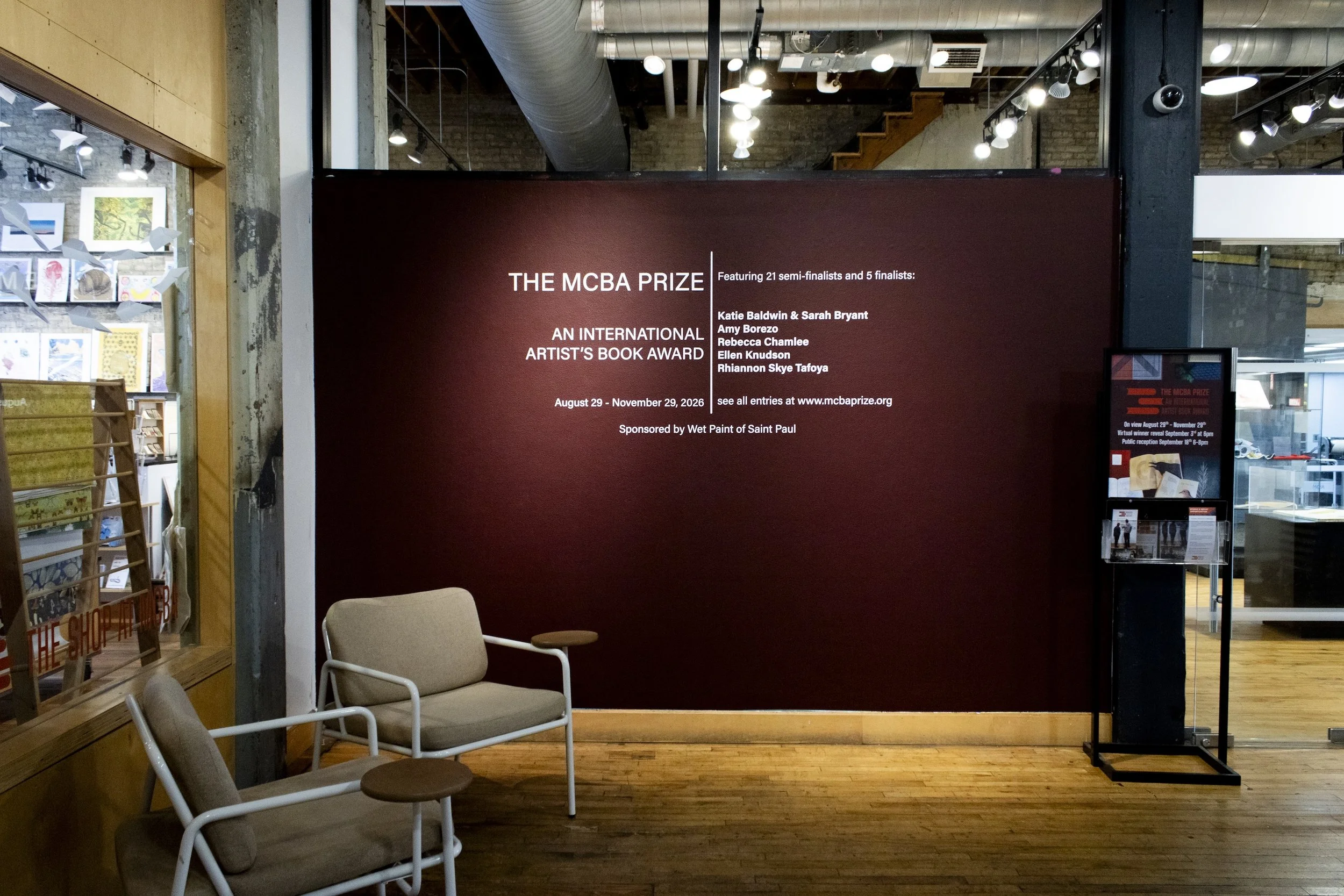
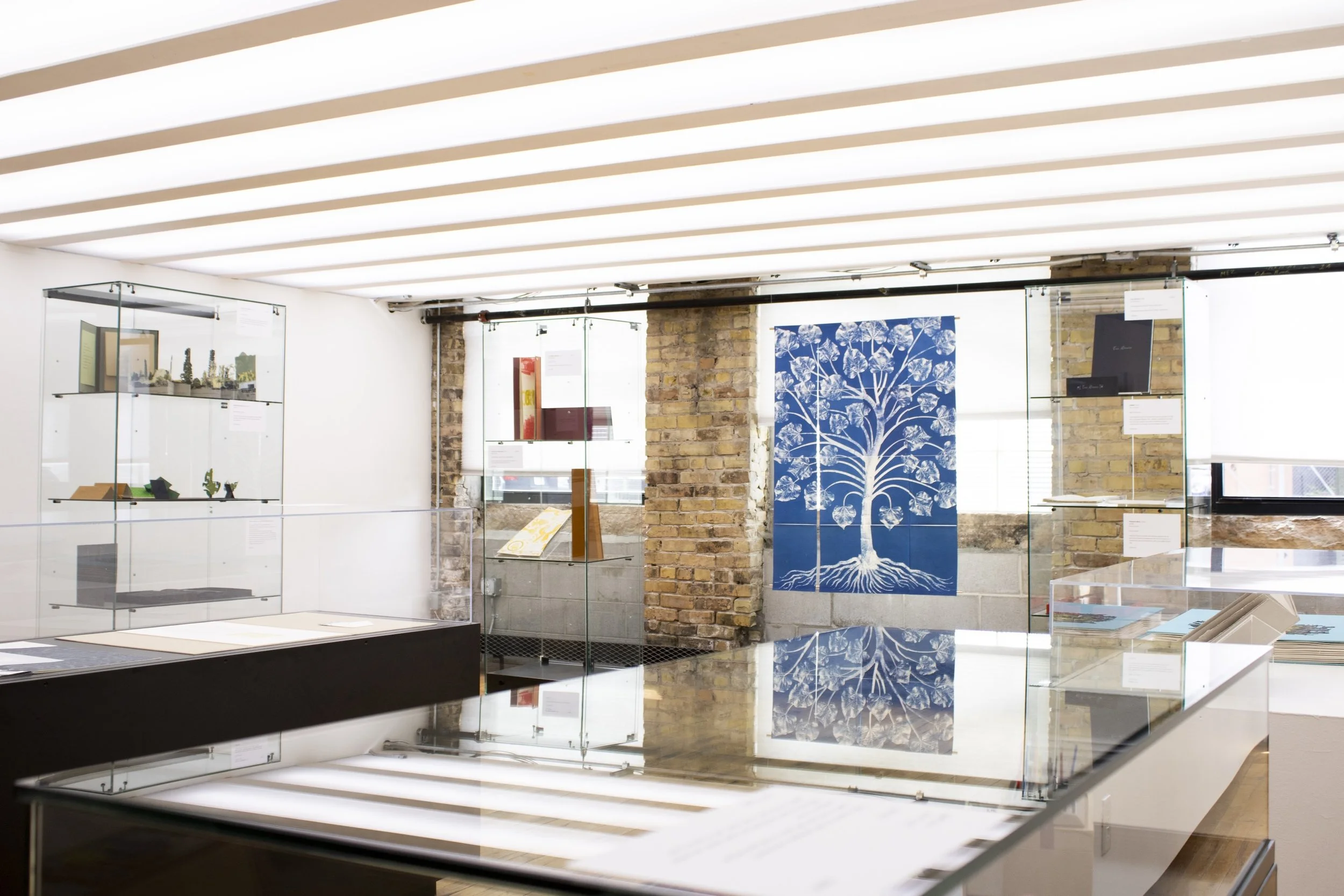
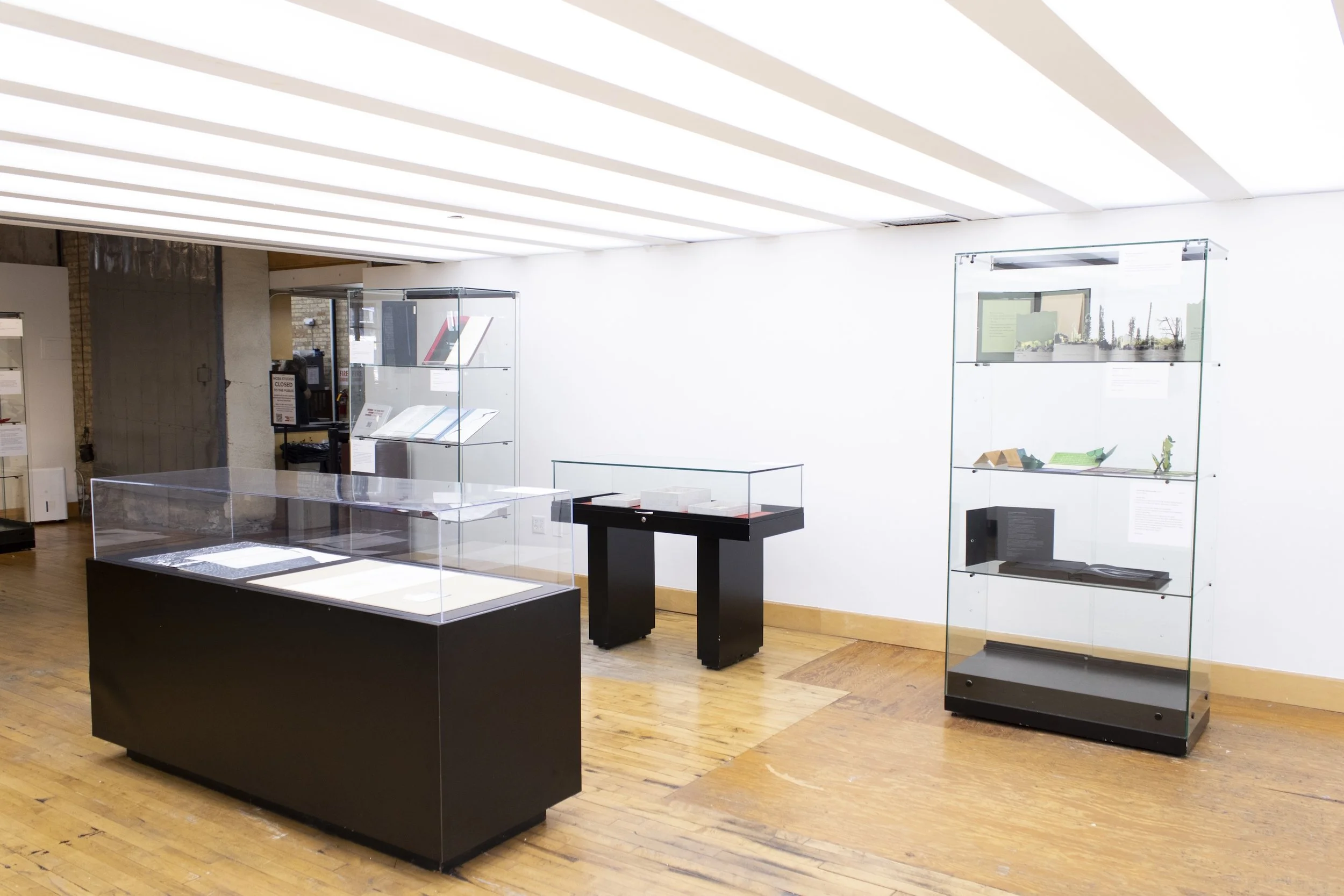
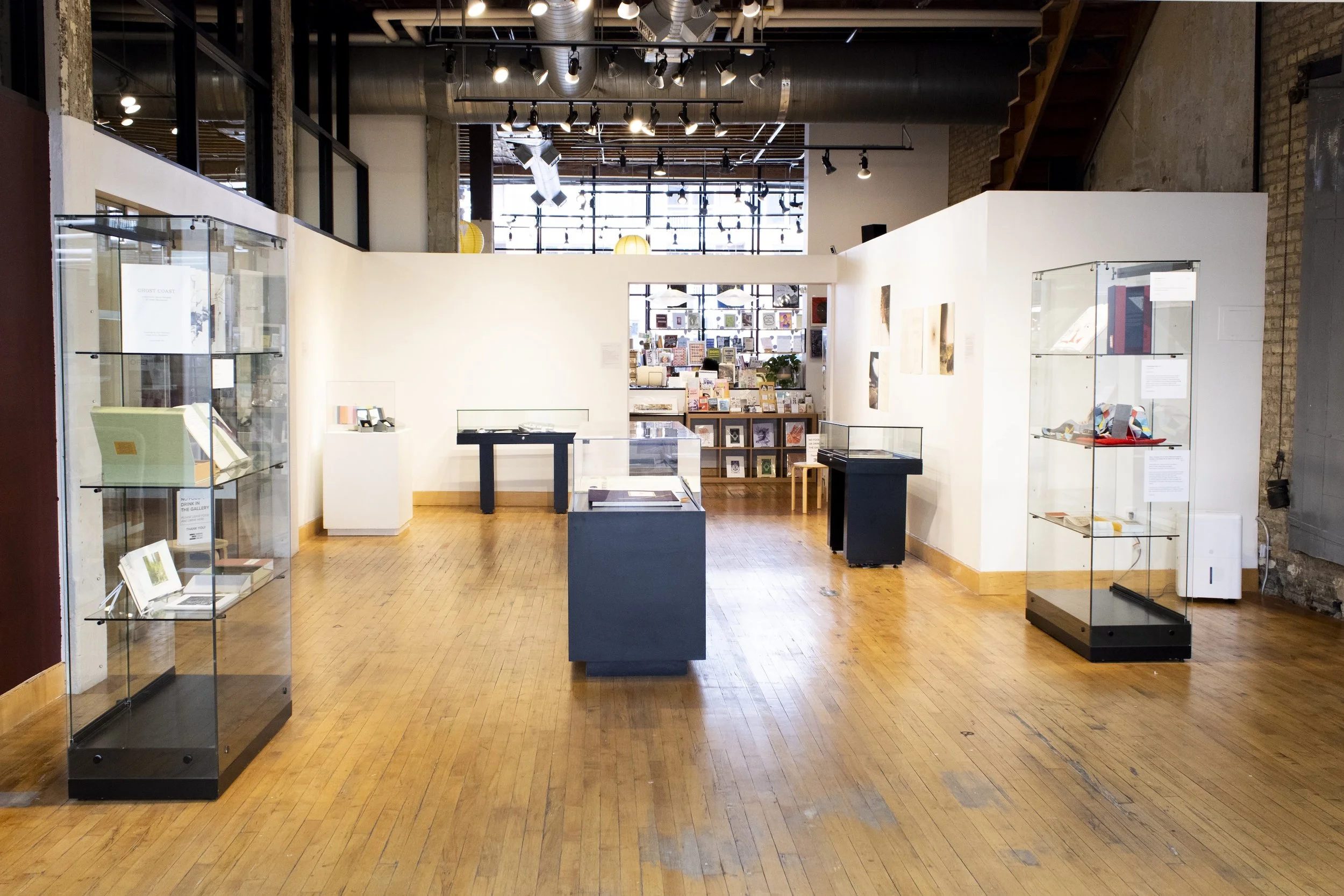
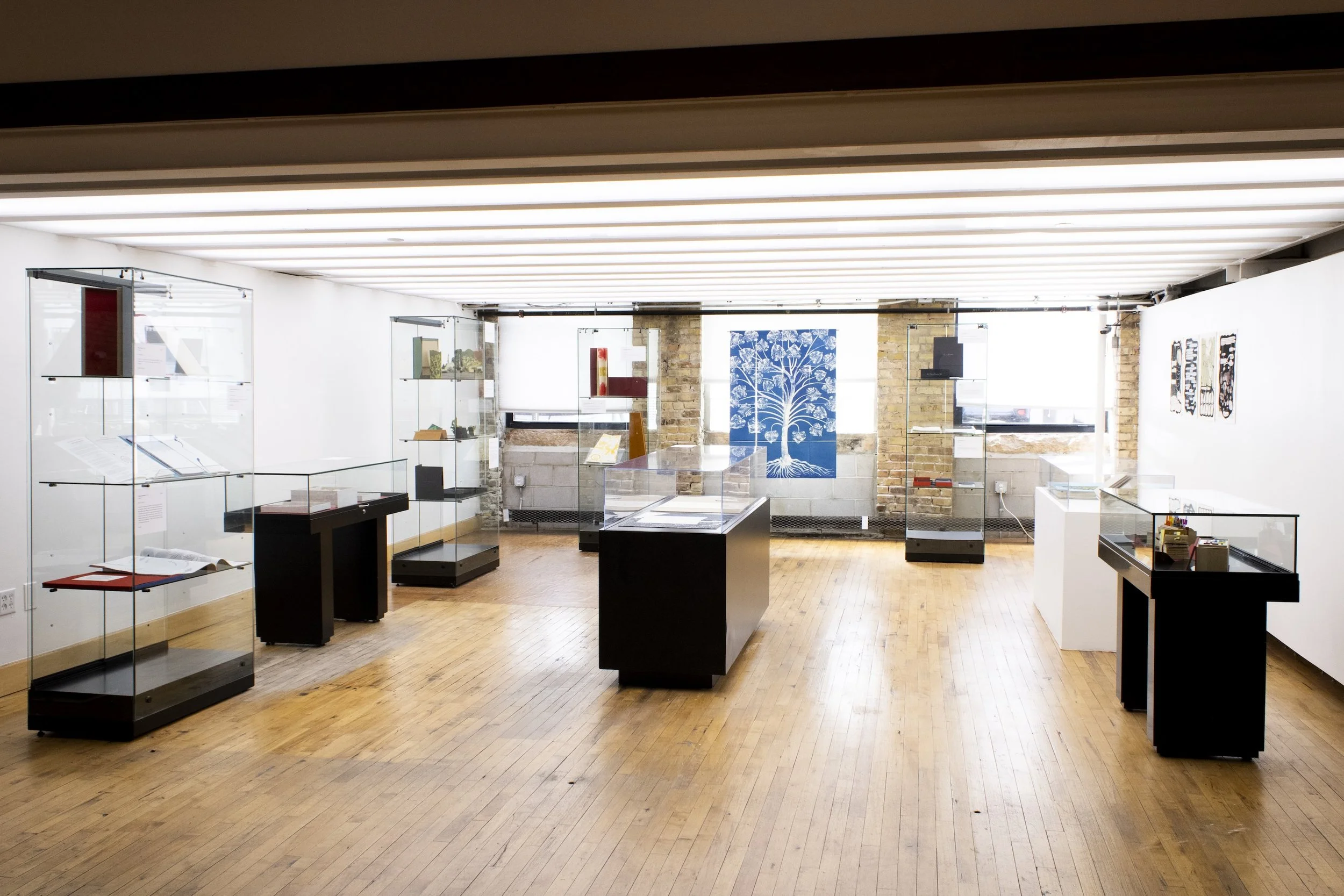
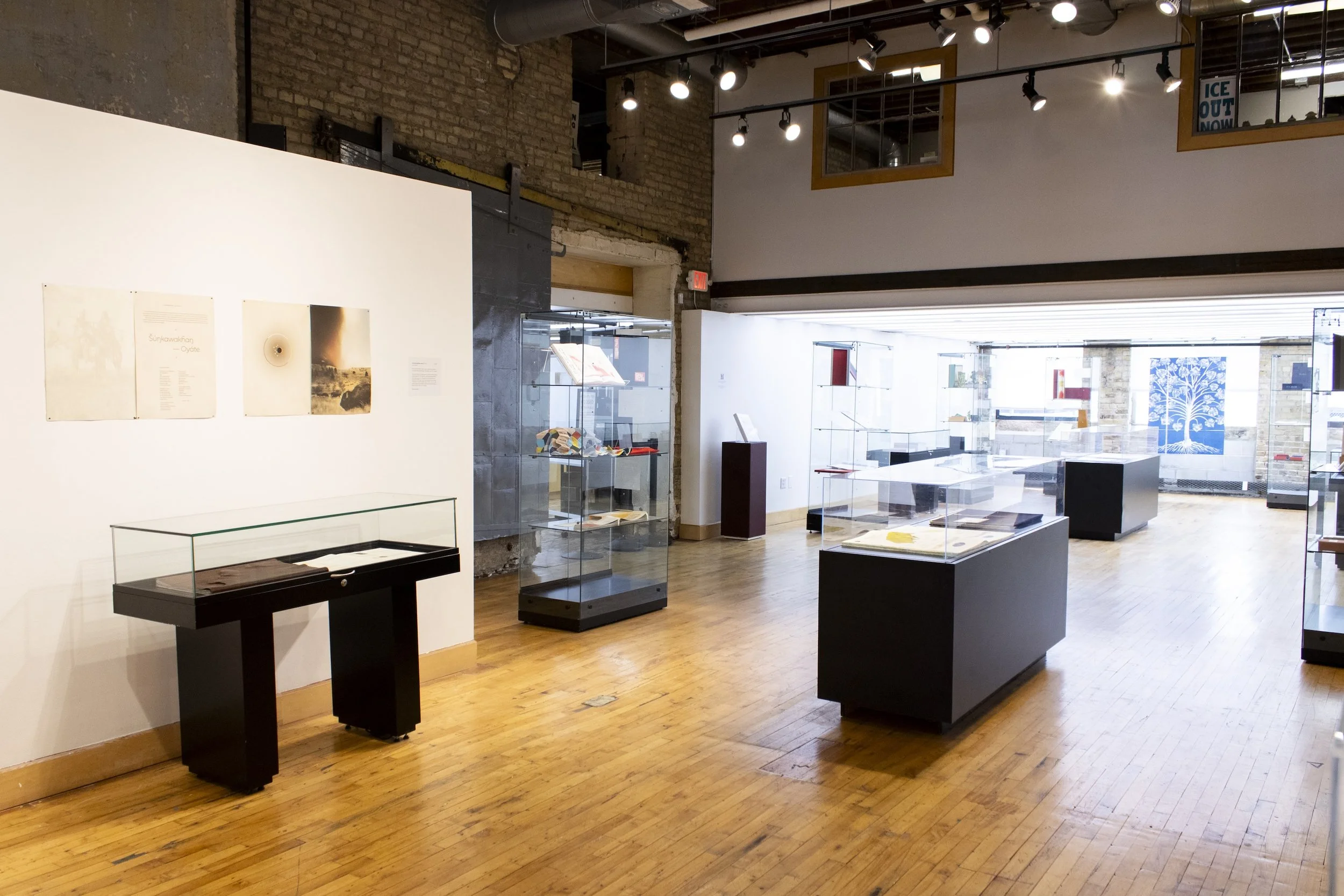
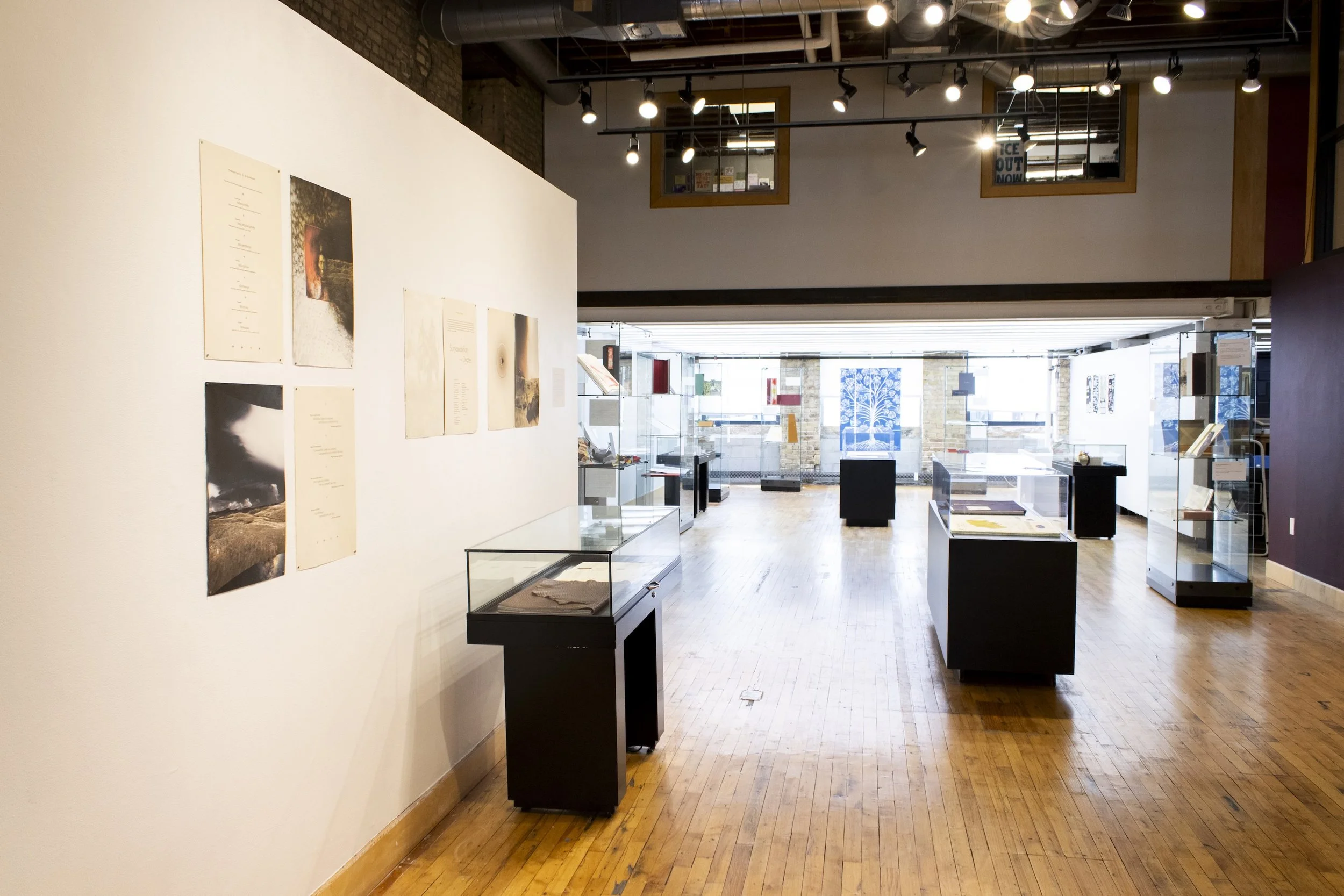
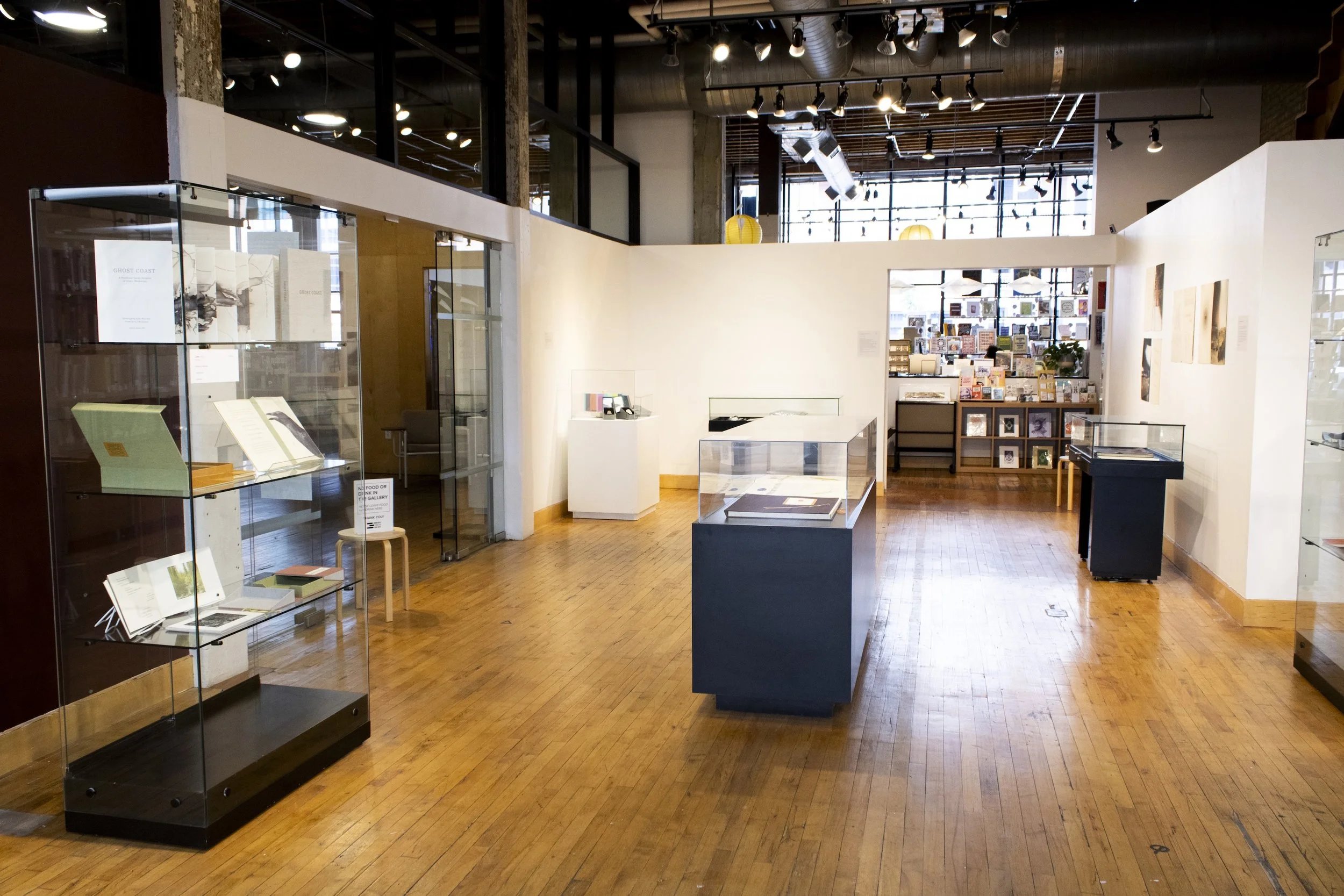
Established in 2009, the MCBA Prize is an international artist’s book award that honors excellence in new work from across the sweeping spectrum of book art. This year, we received 146 submissions from 18 countries, from the Bahamas to Kazakhstan. Juror Inge Bruggeman selected 21 semi-finalists and 5 finalists, whose work is viewable in person in our Main Gallery.
One winner receives a $2,000 cash prize and four finalists receive a $500 cash prize. Learn more about the finalist and semi-finalist work below. All submissions from the 2026 MCBA Prize will be accessible to explore on our MCBA Prize site. Currently all work submitted from past years is viewable.
If you are interested in acquiring an MCBA Prize artist book, find listings in our online shop here.
Free and open to the public
WhereMCBA Main Gallery
WhenAugust 29, 2026–November 29, 2026
virtual prize revealThursday, September 3; 6–7:30pm
ReceptionFriday, September 18; 6–8pm
meet the finalists
2026 MCBA Prize Winner
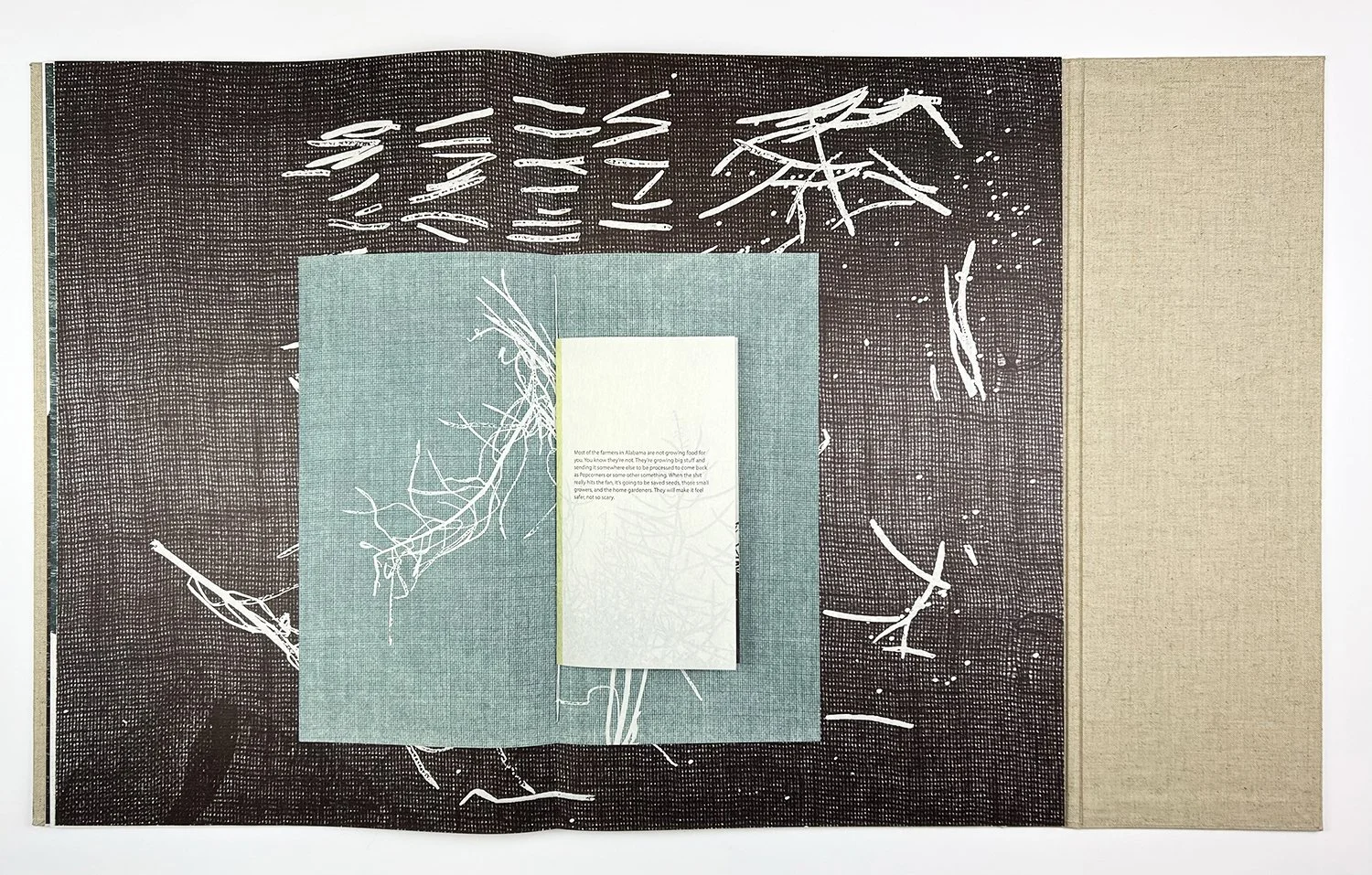
Katie Baldwin and Sarah Bryant, Alabama
Small Patches of Land, 2026
Woodblock, pressure print, letterpress
Artist Statement
Small Patches of Land is a pair of intertwining narratives from two women-owned farms in Alabama, connected by the act of saving seed. Jean Mills and her partner Carol are a lesbian couple who founded the first CSA in Alabama in the mid 90’s, and ran the farm until Carol was diagnosed with Huntington’s disease. Margaret Ann Snow founded Snow’s Bend, an organic farm in Tuscaloosa, in 2004. Soon after Jean and Carol started their farm, they were given heirloom collard seeds by a neighbor who didn’t like who they were, but knew they were farmers. This is how seeds move: from hand to hand. Jean and Carol grew out the seeds, eventually offering Alabama Blue Collards as a crop and making the seeds available through The Southern Exposure Seed Exchange. Thirty years later, Margaret Ann snow ordered those same collard seeds from the same catalog when she herself decided that she wanted to shepherd a crop from seed to seed. The text of this book originates in interviews with Margaret Ann Snow and Jean Mills Conducted in the Spring and Summer of 2025. The narratives in this book have different scales: Jean and Carol’s story begins in 1979 when Jean inherited the land and ends after the couple closed the farm and relocated to California. Margaret Ann’s narrative spans one growing season, from planting in September of 2024 to harvesting seeds in May of 2025. The different scales are echoed in the imagery in the book; landscape forms are created from the silhouettes of Margeret Ann’s seeds, imaged by the artists with a powerful microscope at the Alabama Materials Institute. Small Patches of Land was printed in an edition of 25 in 2026 on an etching press and a Vandercook. Colors for this project were matched to Margaret Ann’s collards, harvested in the spring of 2025. Grays were printed with crushed graphite ink. Imagery originated from photographs of collard plants taken at Snow’s Bend Farm and microscopic imaging of seeds harvested by Margaret Ann Snow in spring of 2025. Soil maps and additional language were found in Soil Survey of Tuscaloosa County, Alabama, issued in August 1981 from The United States Department of Agriculture Soil Conservation Service and Forest Service.
2026 MCBA Prize Finalist
Rhiannon Skye Tafoya, North Carolina
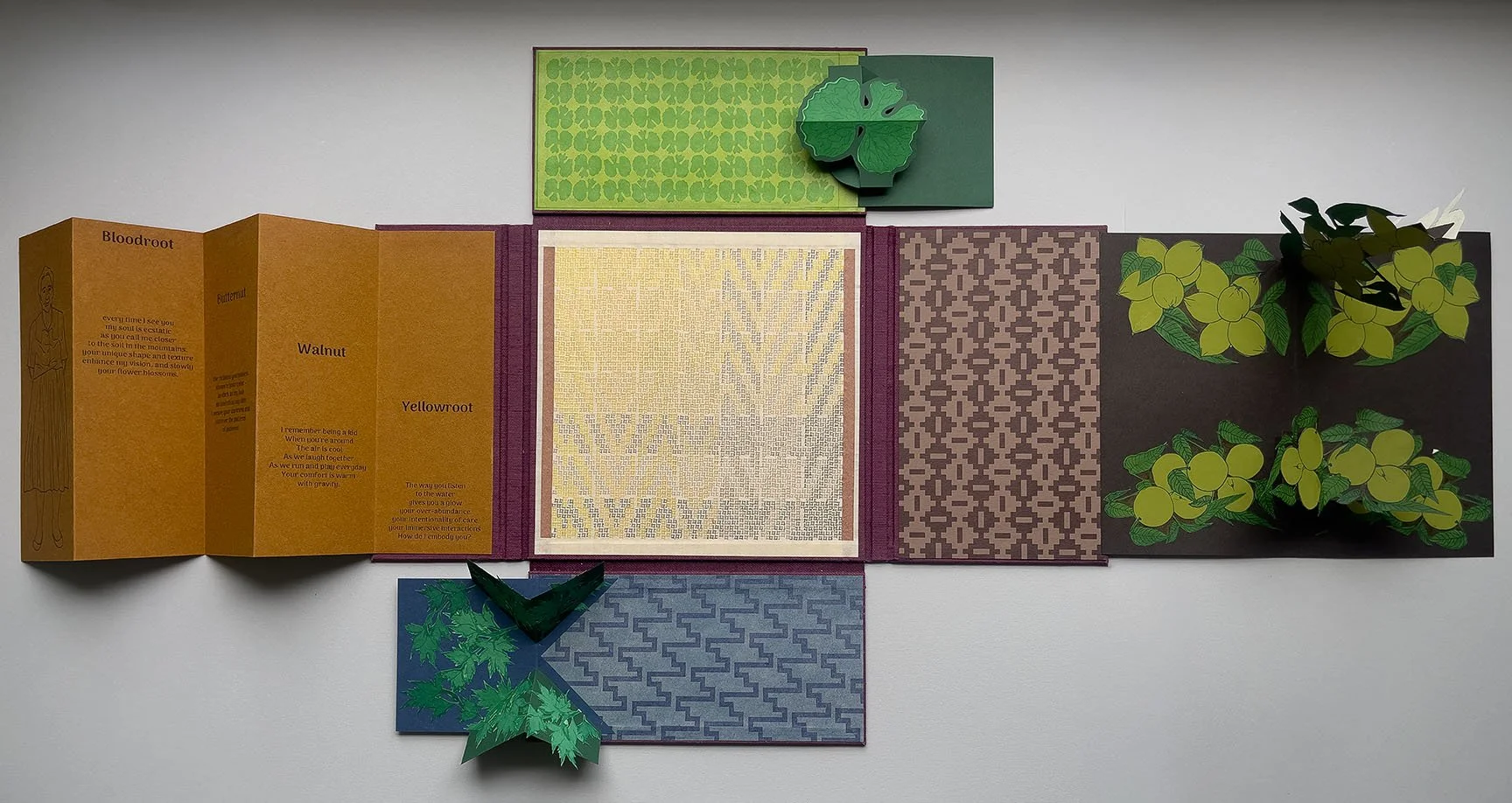
Relational Sentience Tal',
2026
Letterpress and screen-printing on paper, handmade paper and book cloth; bookboard structure; pop-up structures; paper-weaving
Artist Statement
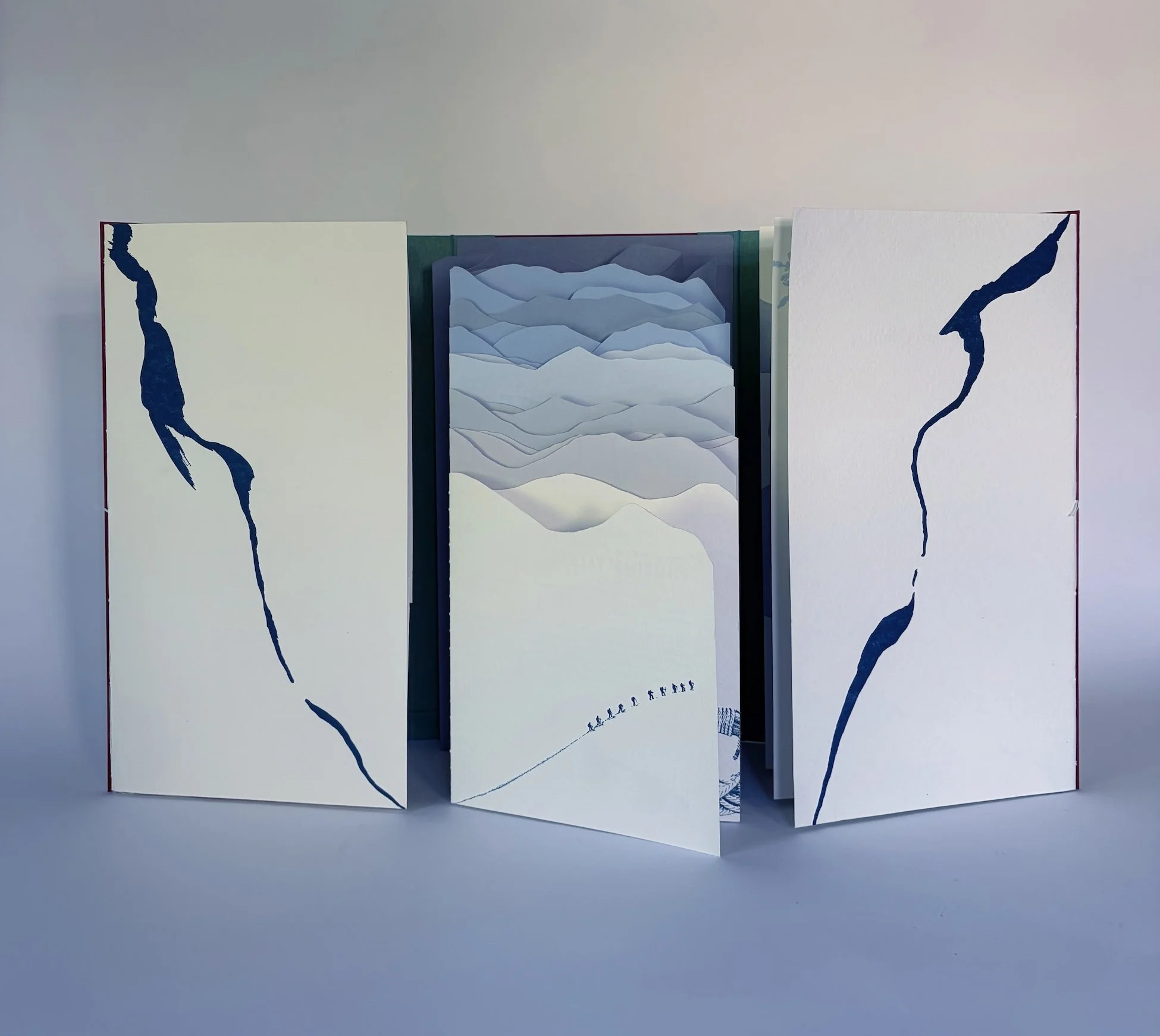
In recent years, I have immersed myself in the basketry culture of my Eastern Cherokee community and have created significant relationships with generational basketmakers, as well as the living environment that surrounds me. Relational Sentience Tal' is about my relationship to four specific plant dyes: bloodroot, walnut, butternut, and yellowroot. Each of these dyes are used for white oak, honeysuckle vine, and rivercane basketry and they provide rich colors that enhance the designs and patterns of the basket. Each of the dyes are illustrated in a pop-up form on three of the panels (top, right, & bottom.) The left panel of the book is an accordion fold that holds a print of my maternal grandmother (the first basketmaker i have ever known) and four love poems to accompany each dye. The center of the book gently holds a paper weaving with letterpress printed ornamental type in colors that mimic each of the dye colors from the plants. The front cover is illustrated with signifiers of the white oak tree, honeysuckle vine, and rivercane. The back cover shows a poke berry bush, which is a tribute to cherokee basketmakers in the past who utilized the poke berry for basketry dye. Relational Sentience Tal' is an homage to the plant relatives that graciously gift their vibrancy to basketmakers and how this traditional collaborative relationship allows us to understand each other and pass on traditions and stories to our loved ones.
2026 MCBA Prize finalist
Amy Borezo, Massachusetts
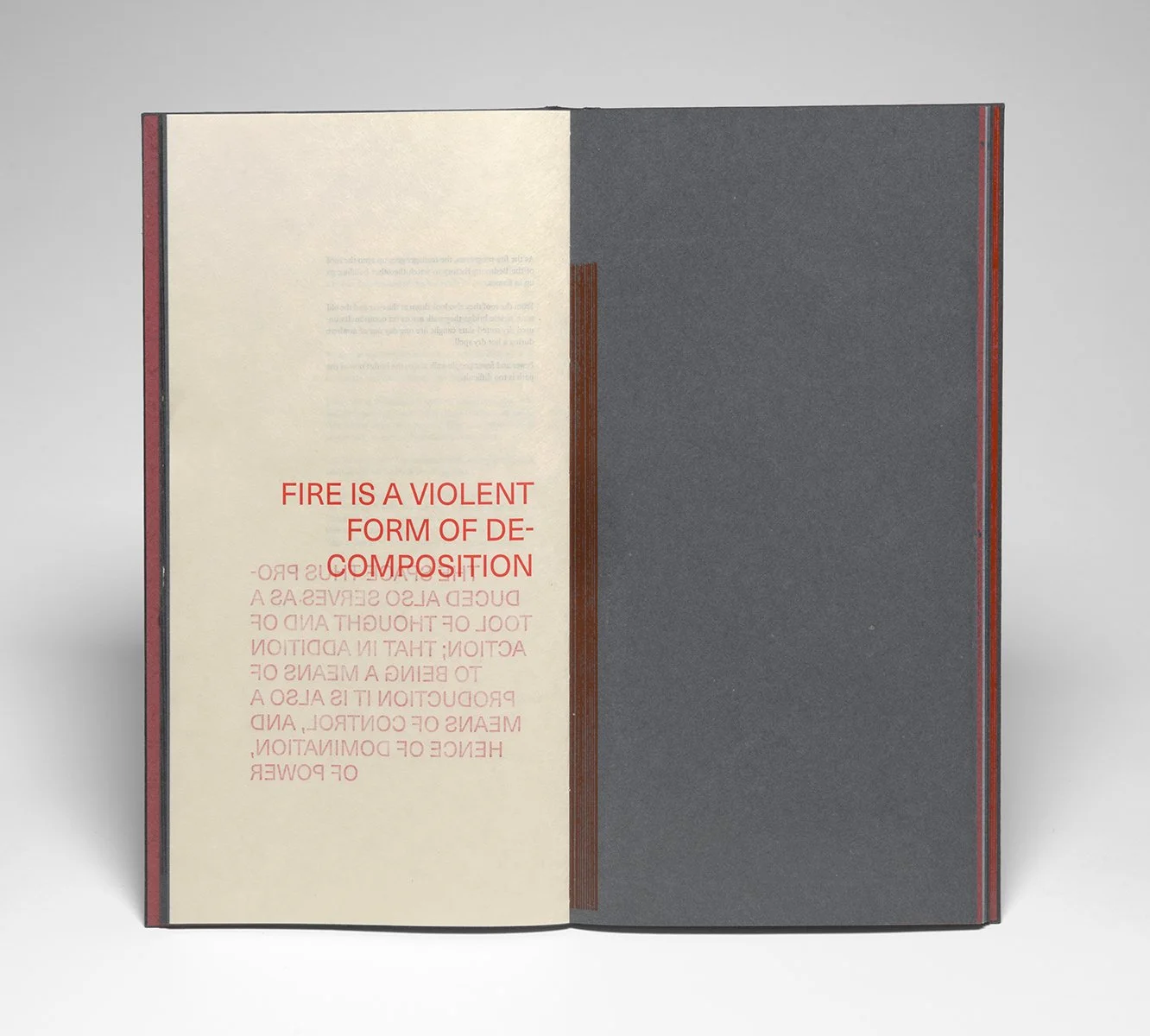
Fire Study, 2025
Relief printing on handmade paper from polymer plates, hand bound by the artist in an edition of 25.
Artist Statement
Fire Study is an artist’s book about destructive and productive fire in rural places. It touches on the ways in which resources in rural areas, including people, are used and used up. A post-industrial town, a state-managed wildlife preserve, and the people who live in and near these spaces are all shaped by fire in different ways. Excerpts from The Production of Space by Henri Lefebvre and Fire in America by Stephen Pyne are used to frame a personal essay with research and lived experience of the artist. The setting of the artist’s book is a rural county in western Massachusetts where the artist has resided for 22 years. It is a place rich in natural resources but relatively poor economically. Seventy seven percent of the county is forested land, both privately and state owned. Towns in the region have gone through a succession of economic cycles in which industry once thrived but now empty factory ruins dot the landscape. A generalized lack of investment in the area leads to deferred maintenance and increased vulnerability to loss. In contrast, the rural character of the county with low population density allows for development of natural resources. A state owned wildlife management area uses prescribed fire to maintain a rare pitch pine and shrub oak ecosystem that acts as a factory of biodiversity that can spread throughout the region. These contradictions form the foundation of the book’s text, which considers fire as both a force of destruction as well as regeneration. The artist uses extensive research in the writing of the text, including historical and theoretical works, interviews with land managers, and lived experience. A personal essay, letterpress printed in black on semi-translucent Kitakata paper threads throughout the book, connecting the maintenance of ecological systems to often unseen reproductive labor required to sustain human communities. Through the intertwined perspectives of parent and child, the text considers how rural landscapes are continually reproduced through acts of care, stewardship, and renewal. Excerpts from Henri Lefebvre’s The Production of Space and Stephen Pyne’s Fire in America are interwoven in bold orange type with the essay, placing personal experience in conversation with broader histories of land management, resource use, and the social reproduction of rural space. The text alternates with relief printed imagery on handmade Hook Pottery paper. A single photopolymer relief plate created from an abstract drawing of lines by the artist is used to create a variety of imagery throughout the book including most prominently a large X symbol. This symbol is posted on abandoned buildings to indicate to firefighters that a building is dangerous to enter. Through its repeated use in the book, the artist seeks to reclaim and soften the symbol, while acknowledging its continued association with danger, loss, negation, and the destructive aspects of fire. The geometry of the X informs the structure of the book itself. The square format is derived from the proportions of the symbol, while pages of contrasting colors divide the square into two halves, echoing the dual nature of fire.
2026 MCBA Prize finalist
Ellen Knudson, Florida
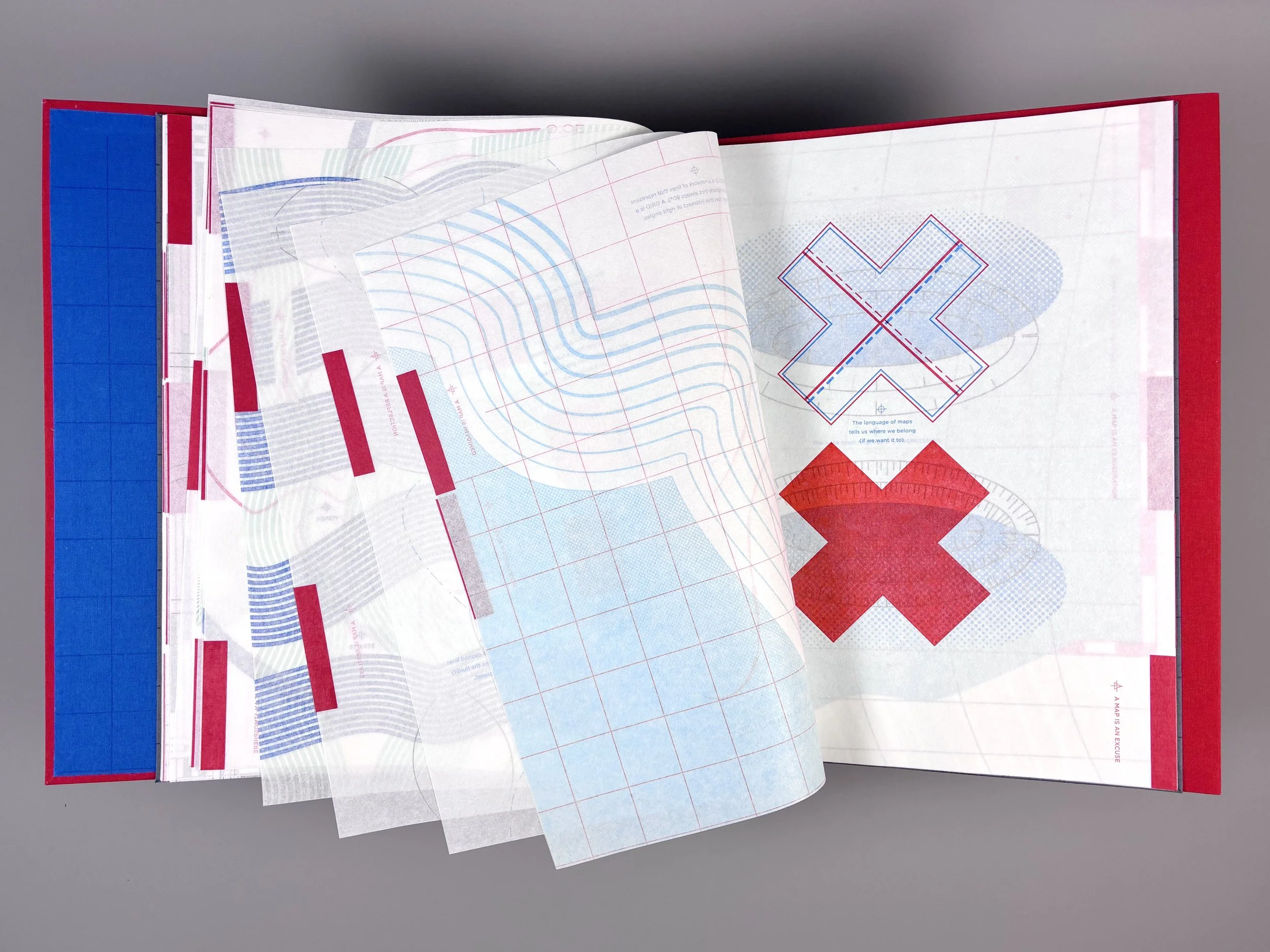
Cardinal/Ordinal, 2026
Letterpress printed artist's book, printed on mulberry teabag paper, Japanese stab binding, housed in a four-sided case enclosure
Artist Statement
Cardinal/Ordinal is an artists book that addresses the language of and the problem with maps. I adore maps. I am endlessly attracted to their visual appeal and to the intricate work that has gone into their graphic complexities, beautiful topographical renderings, and typographical finesse. Yet I am cognizant of the centuries of damage done to the native peoples of this world. Maps are a haunting and relentless record of that pain. In my research for this book, I encountered the pervasive use of ruling class white men's names in places that in reality do not belong to human beings at all. There is also an inordinate amount of hateful and racist place names that are still present on printed maps. My approach to the system of maps is an exploration of the subconscious ways that we experience maps. On each of the thirty pages of the book, I apply the phrase "A Map is ____" to initiate unique ways of considering our interactions with maps and with one another in the places we call home. Cardinal/Ordinal is the “conceptual cousin” to the artists book Ingress/Egress from 2016. That book uses the phrase "A Book is ____" to encourage exploration around the physical, conceptual, and environmental nature of artists books. Visually inspired by historical works such as World Geo-Graphic Atlas by Herbert Bayer, and the work of Edward Tufte, Cardinal/Ordinal makes a similar connection with maps. Cardinal/Ordinal is letterpress printed from photo-polymer plates on translucent mulberry "teabag" paper. Each page is tabbed with red Mitsumata paper. Referencing the flexibility of a road atlas, the book is hand-bound in a Japanese stab binding and housed in a four-sided case enclosure. 15.5” x 13.5” x 1/2”. Written, designed, and printed by Ellen Knudson / Crooked Letter Press in Gainesville, Florida. 2026. 30 pages. Edition of 40. Signed by the artist.
2026 MCBA Prize finalist
Rebecca Chamlee, California
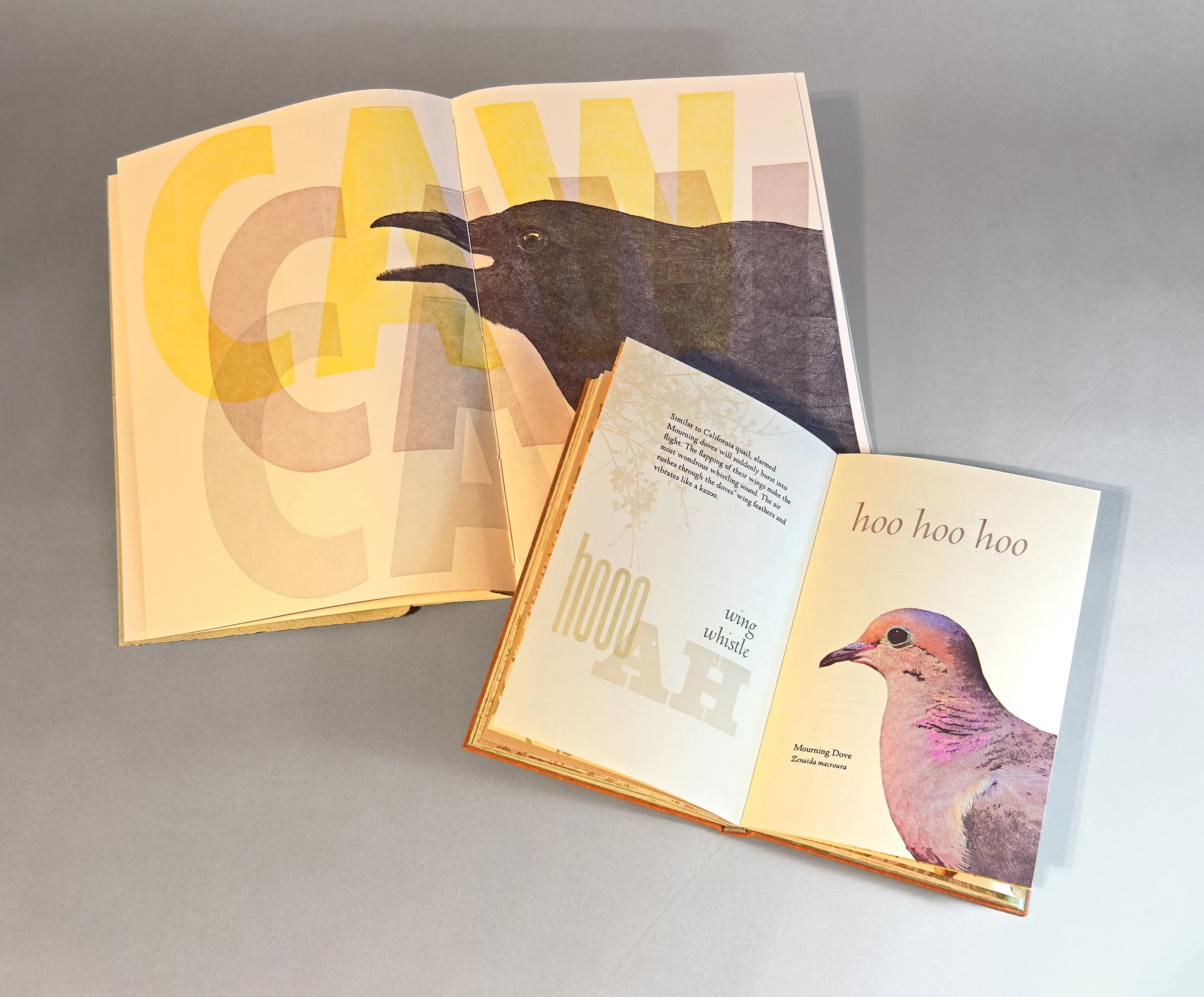
Listen, 2024
Letterpress printed artist’s book
Artist Statement
Listen is a personal investigation into the sounds of birds; what their vocalisations mean and how they differ from bird to bird. Utilising a sit spot routine allowed the natural world to unfold before my eyes and ears in a way I’d never experienced in the years of exploring the trails on foot in a nearby wild land park. In a comfortable spot in nature I sit, slow down and observe to discover the wonder in the moment. The two-volume set, "Listen," was printed at Pie in the Sky Press in Simi Valley, California by Rebecca Chamlee on the Vandercook Universal III power press using handset and digital Deepdene and assorted wood type. Fifteen original bird portraits were captured with a Nikon 850 digital SLR camera with a Nikkor 500mm telephoto lens and printed in four colors using photo polymer plates. "Listen: notes from the field " is printed on Zerkall text wove and Nideggen papers and is case-bound with printed endsheets. The companion volume, "Listen to the Corvids" is a multiple-section pamphlet with a St Armand handmade paper cover, printed on Rives Heavyweight paper. The two books are stored in a hinged box with an Audubon bird call. The boxed set edition is limited to 25 copies.
meet the semifinalists
Upcoming Exhibitions