Image 1 of 5
Image 2 of 5
Image 3 of 5
Image 4 of 5
Image 5 of 5
Fire Study Artist's Book by Amy Borezo
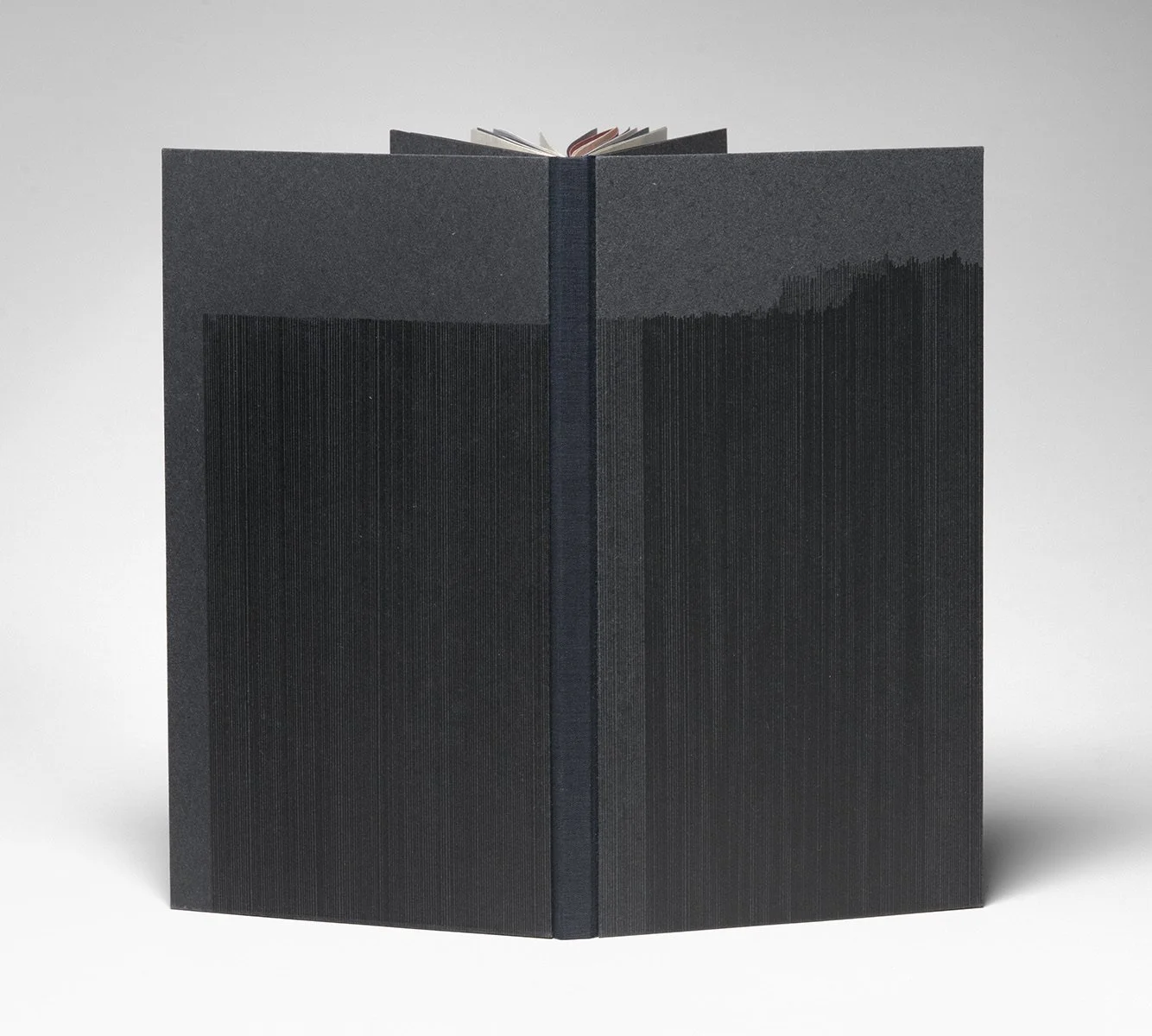
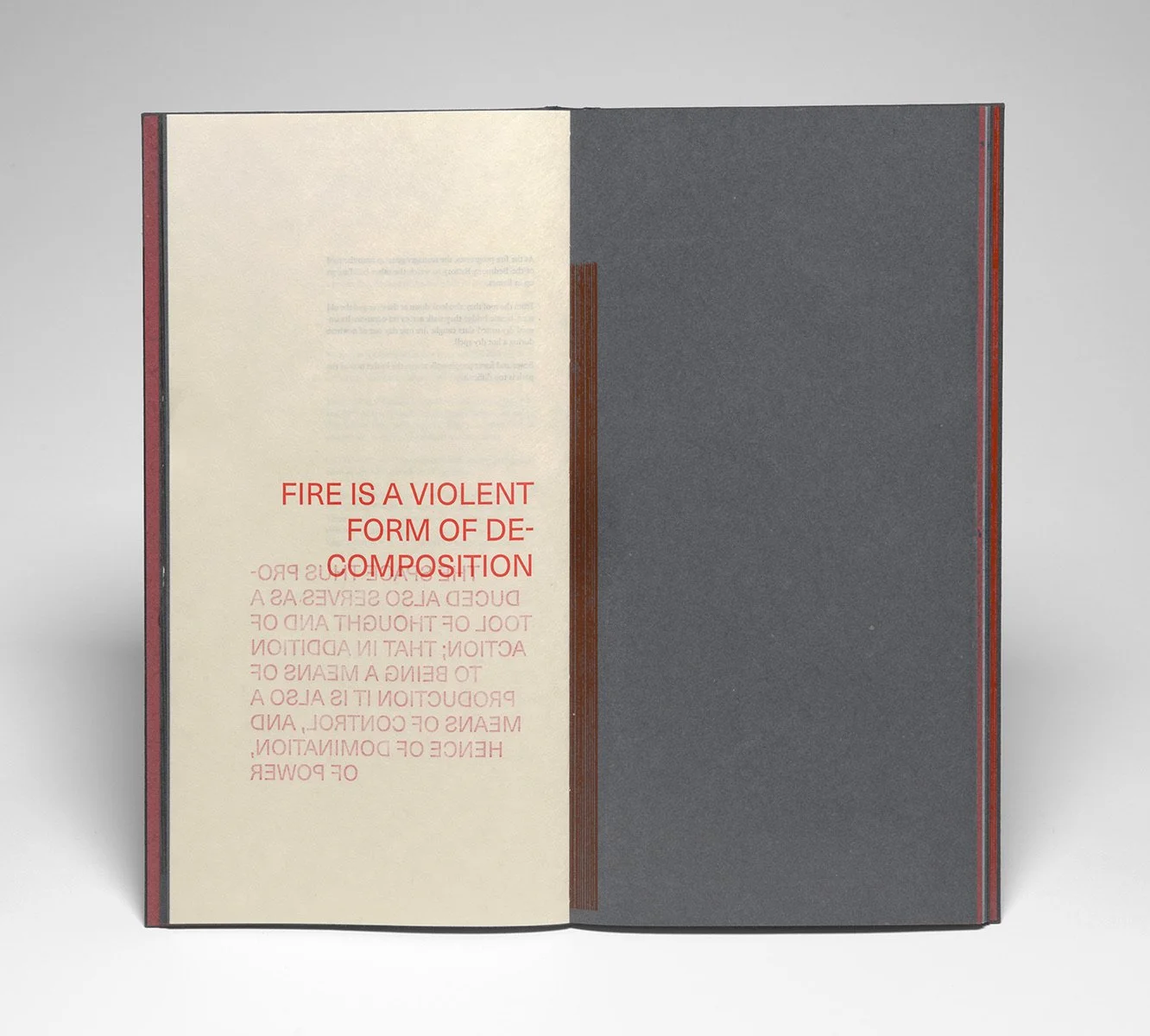
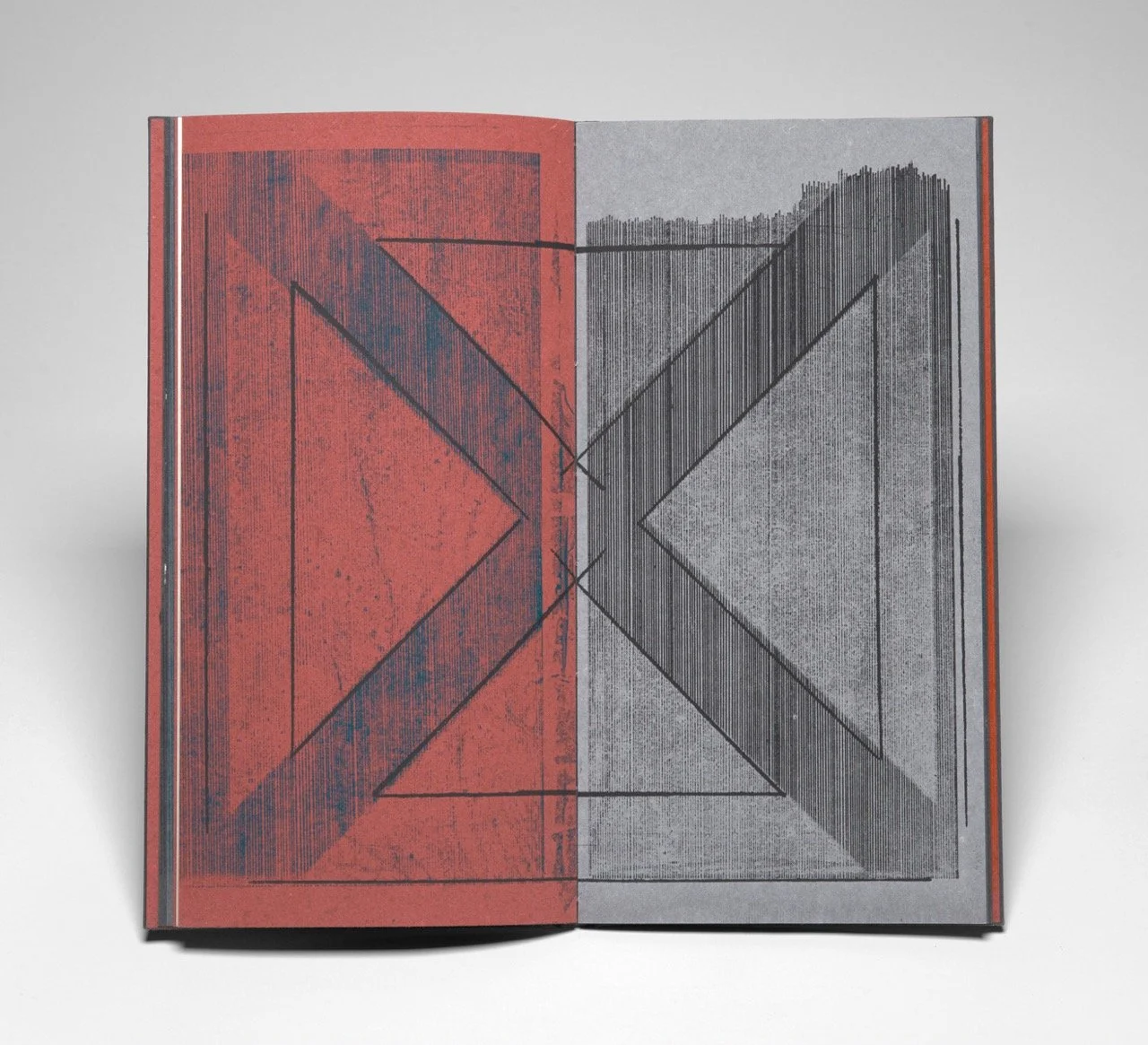
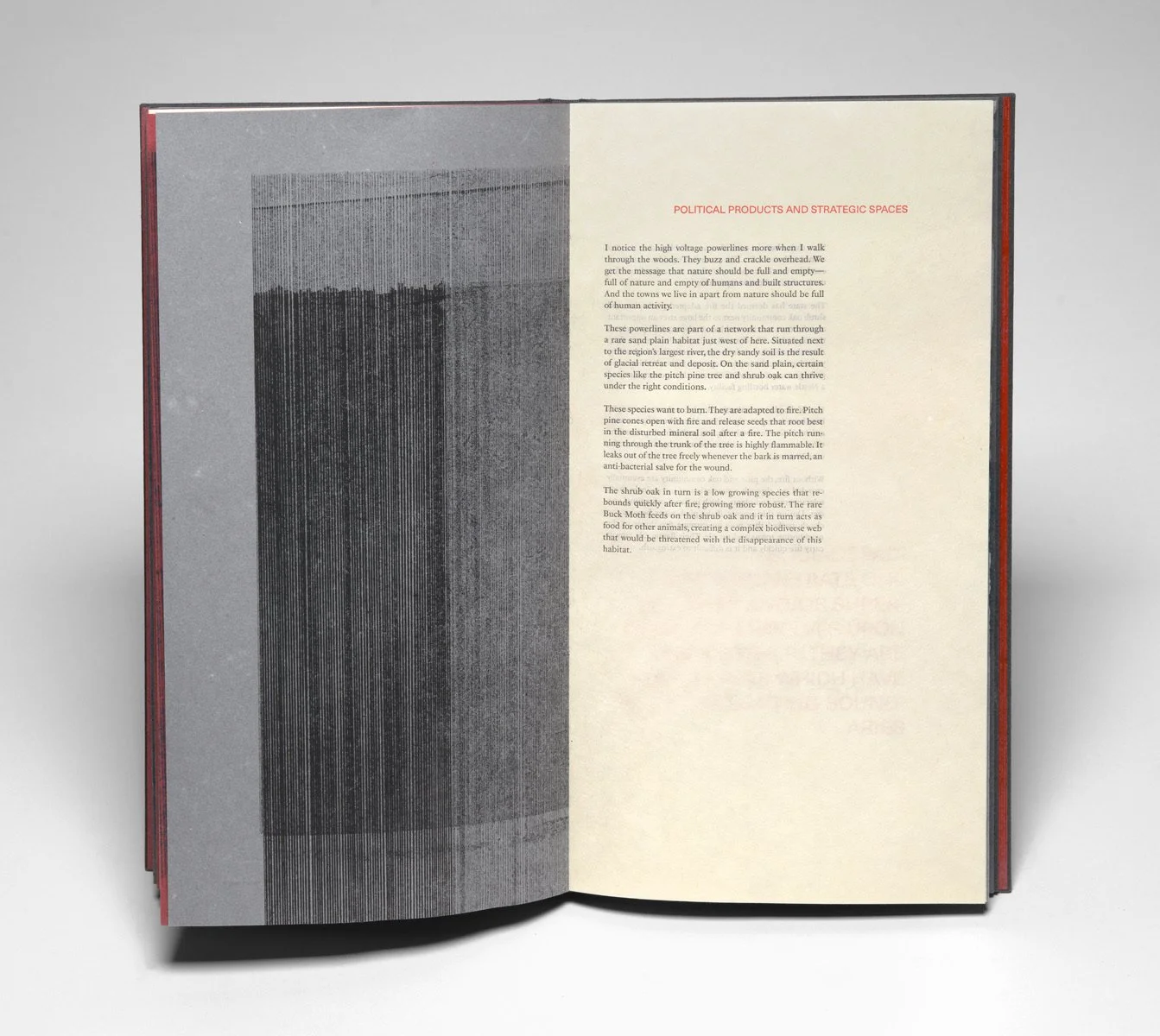
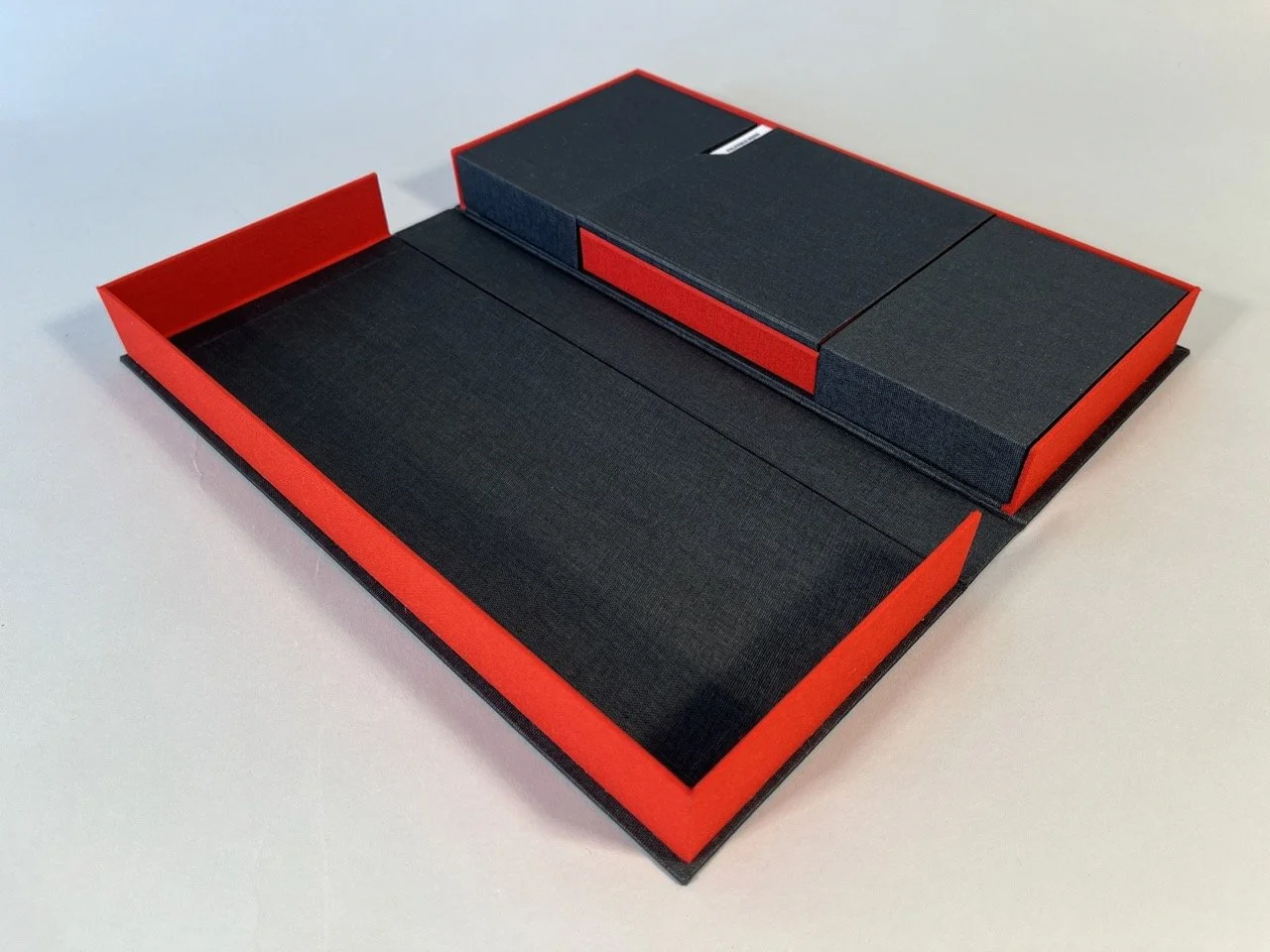
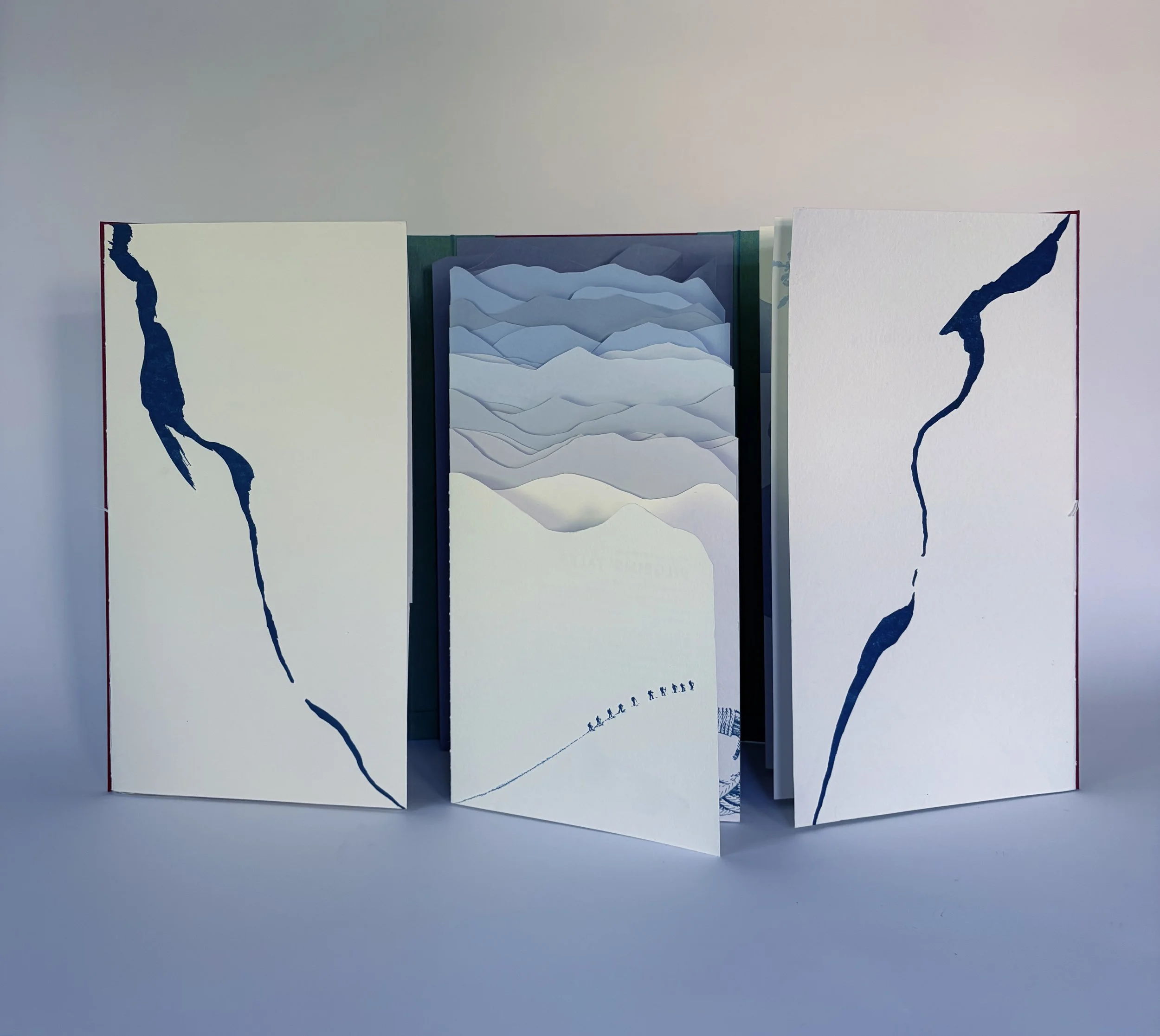
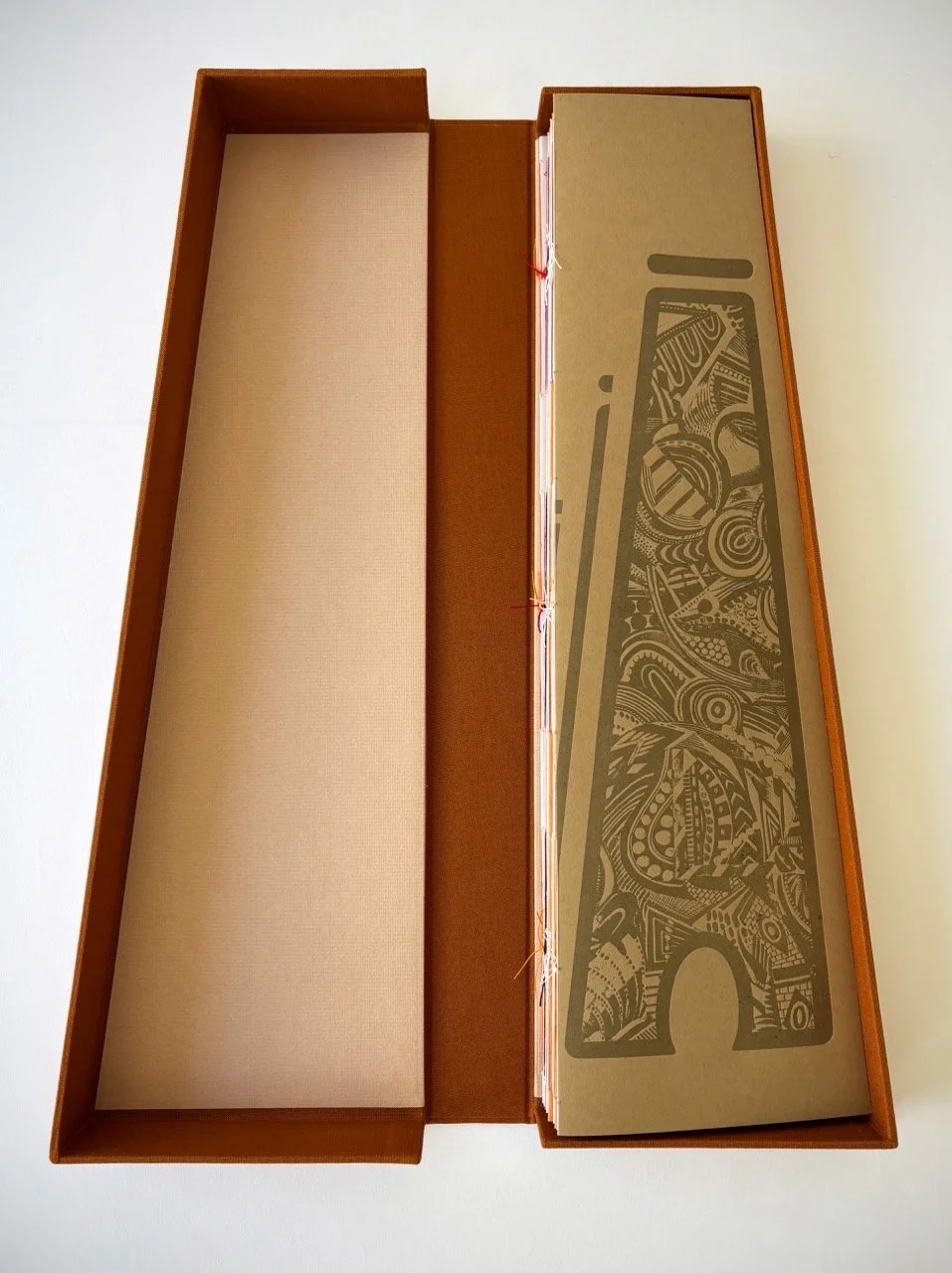
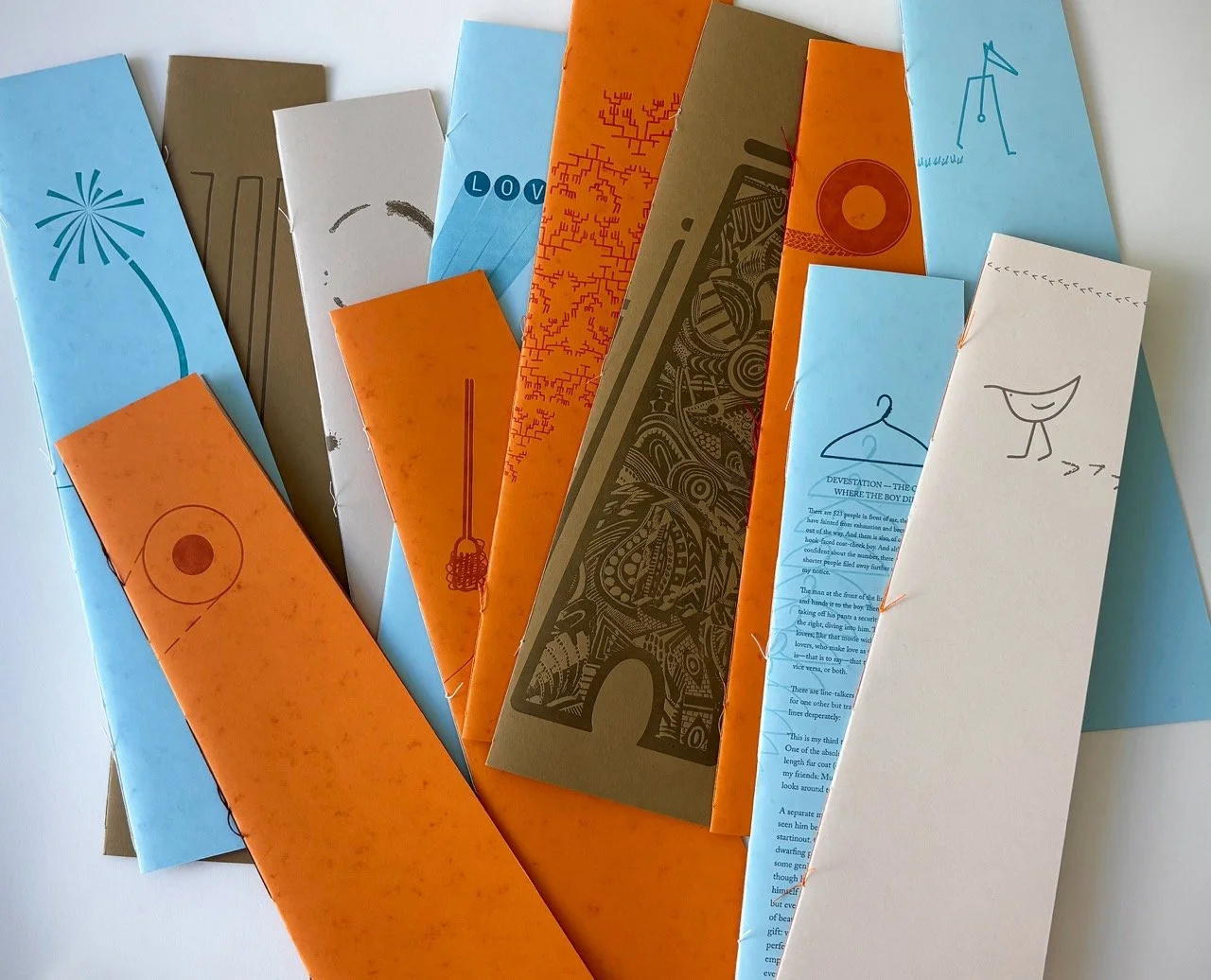
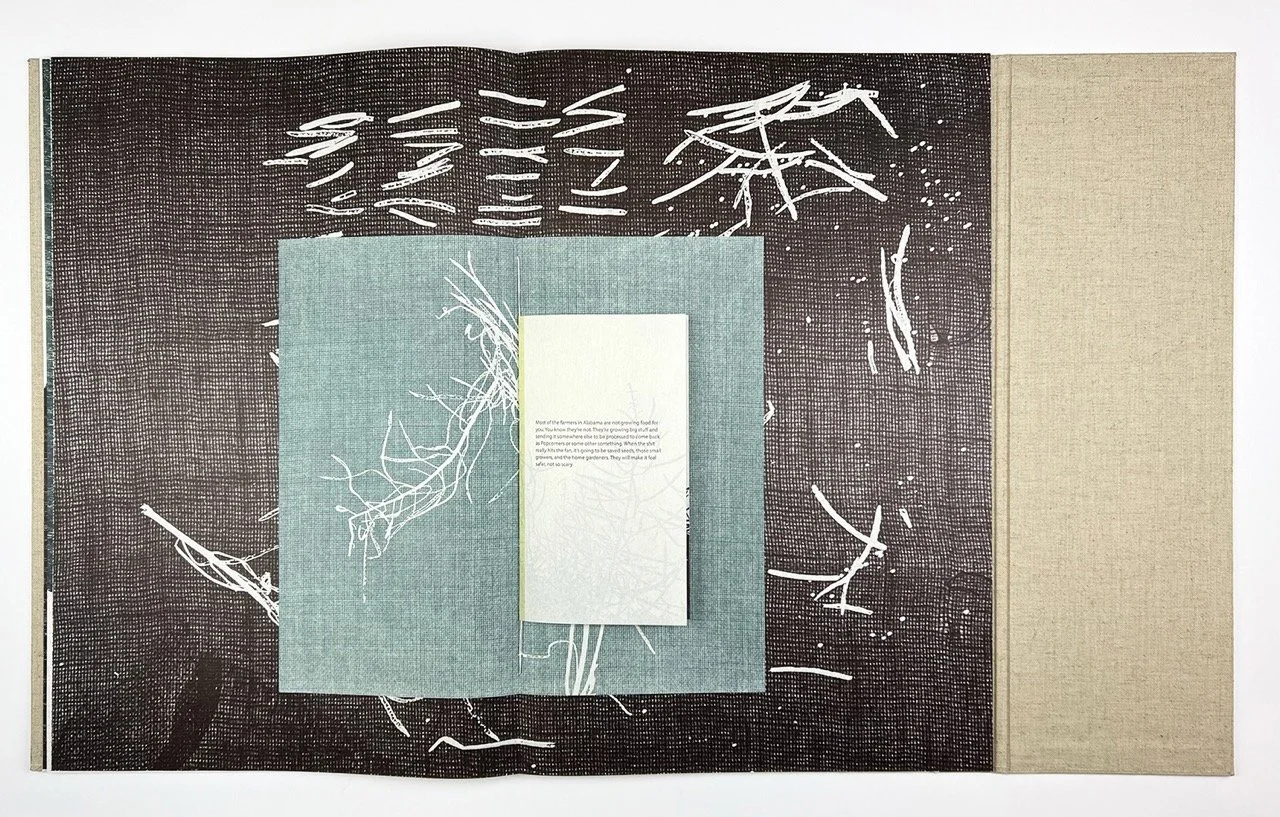
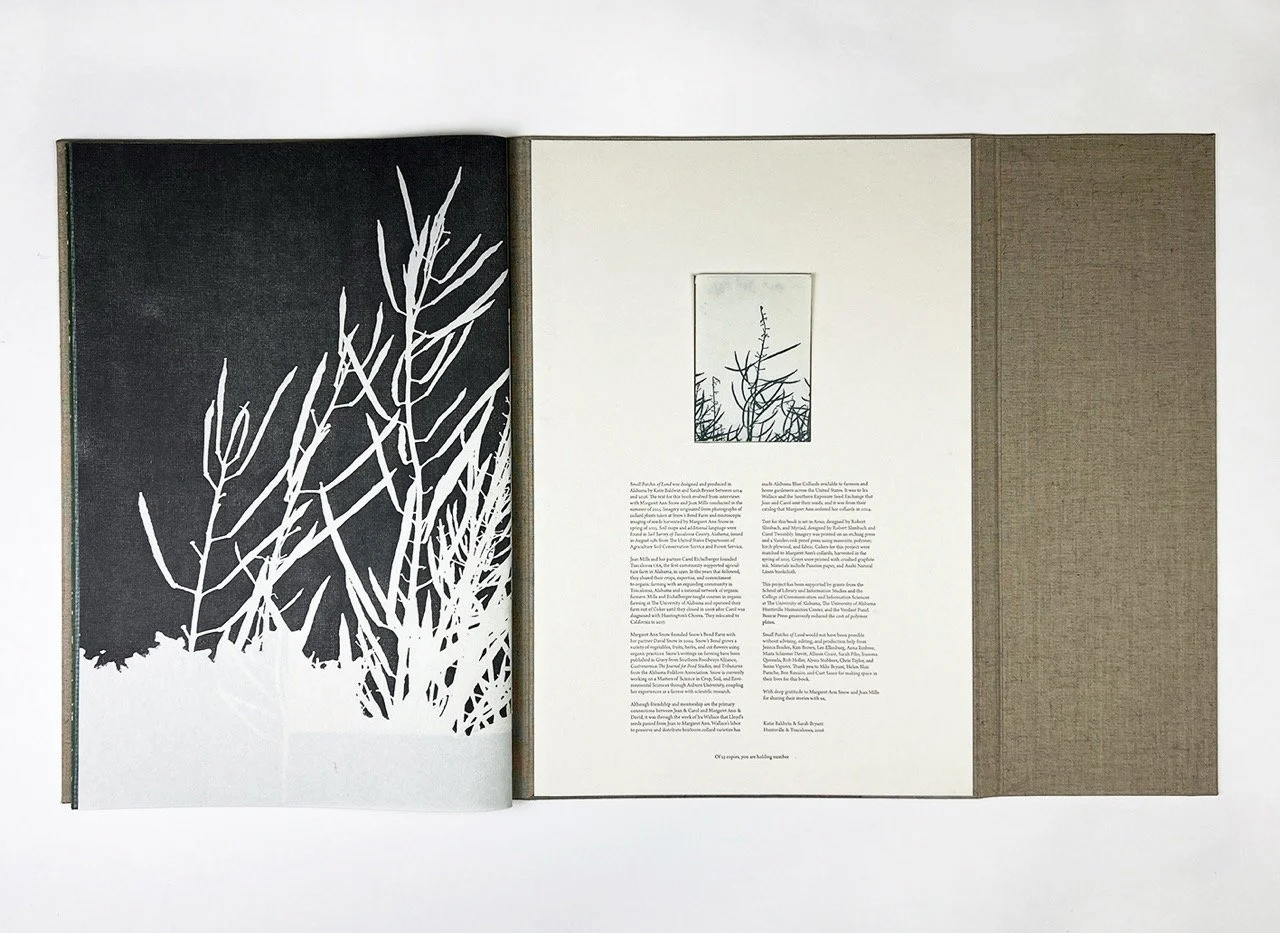
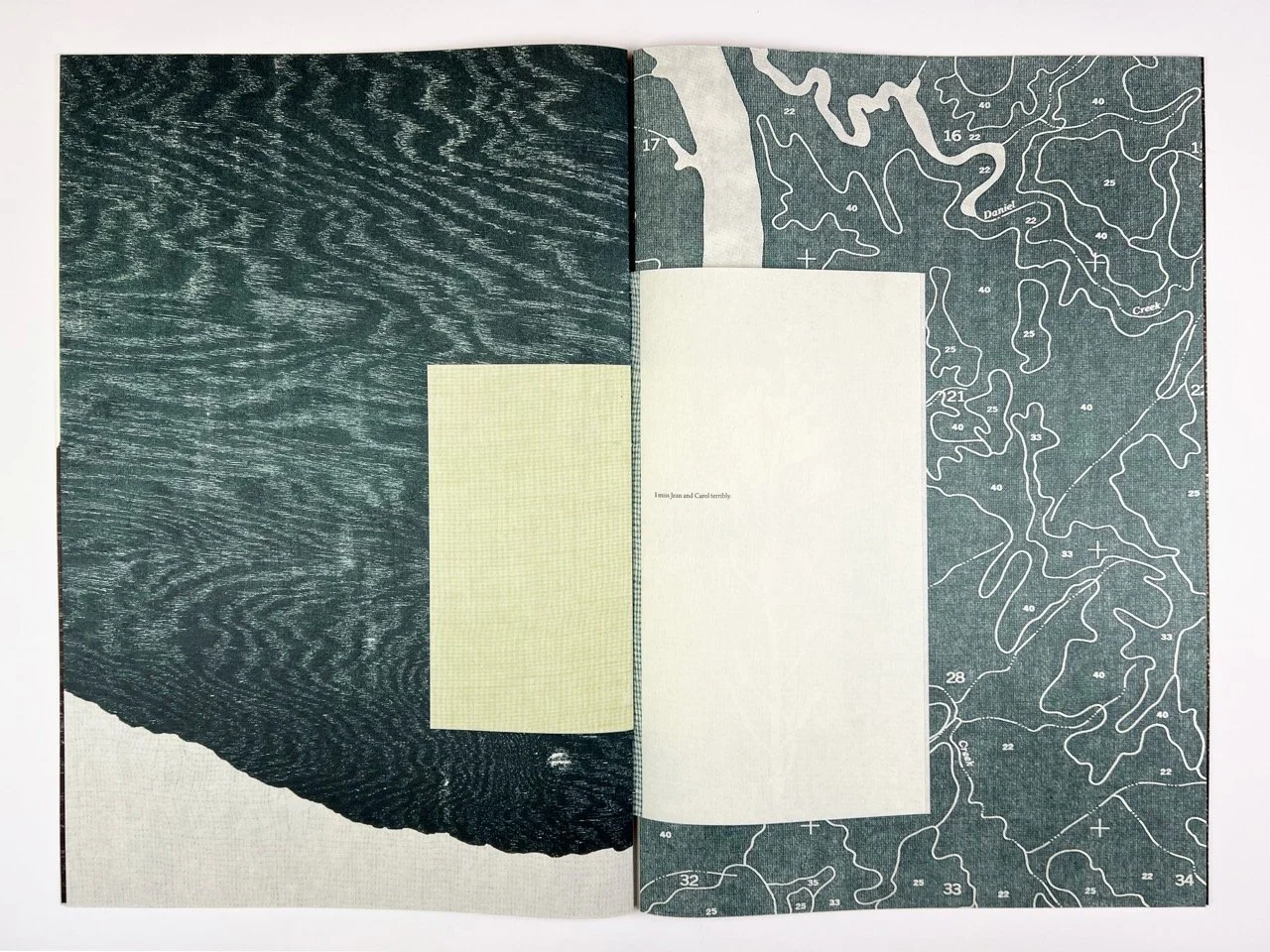
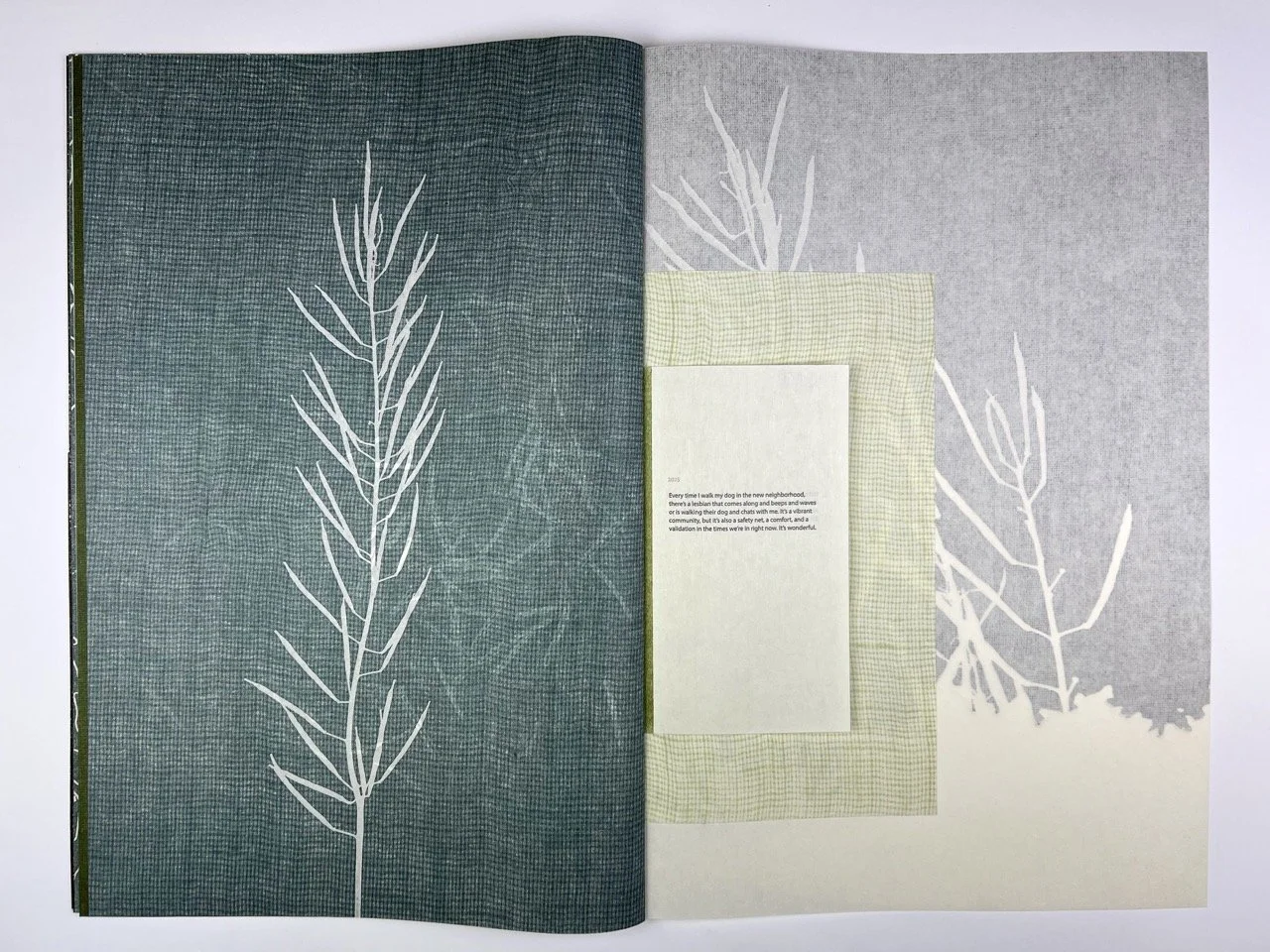
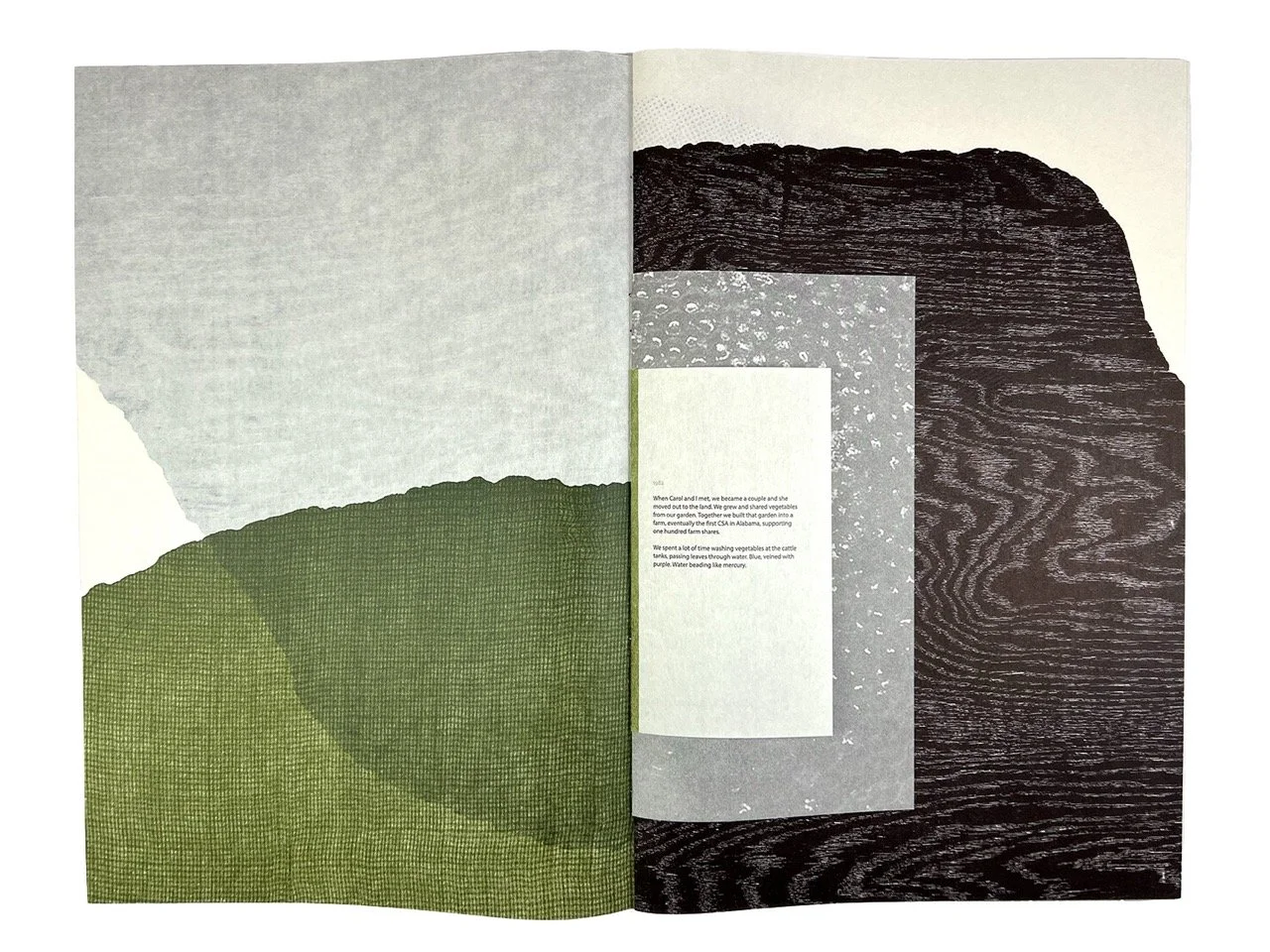
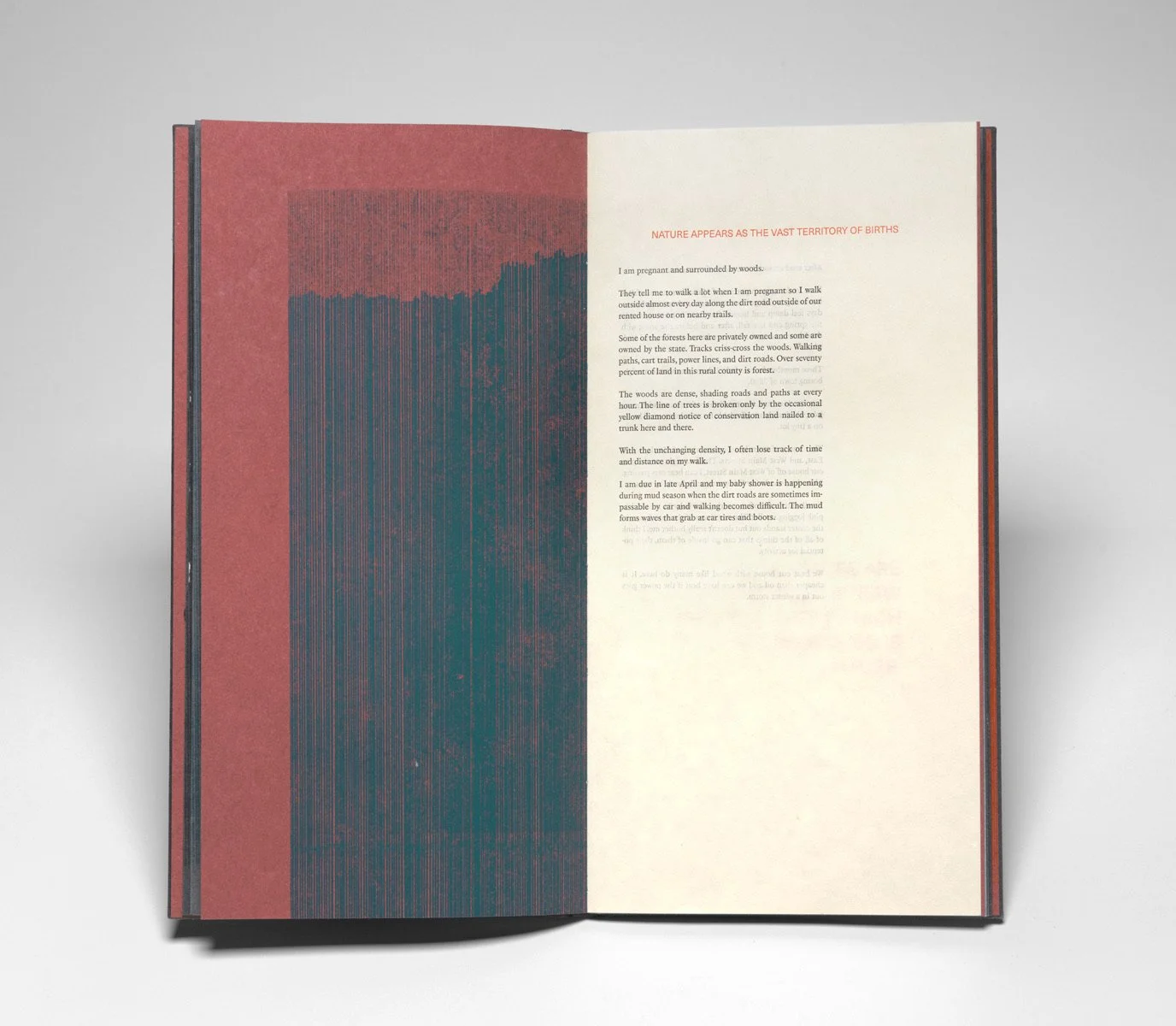
This piece is one of five finalists for the 2026 MCBA Prize and on view in our gallery August 29 - November 29. "FIRE STUDY is an artist’s book about destructive and productive fire in rural places. It touches on the ways in which resources in rural areas, including people, are used and used up. A post-industrial town, a state-managed wildlife preserve, and the people who live in and near these spaces are all shaped by fire in different ways. Excerpts from The Production of Space by Henri Lefebvre and Fire in America by Stephen Pyne are used to frame a personal essay with research and lived experience of the artist. The setting of the artist’s book is a rural county in western Massachusetts where the artist has resided for 22 years. It is a place rich in natural resources but relatively poor economically. Seventy seven percent of the county is forested land, both privately and state owned. Towns in the region have gone through a succession of economic cycles in which industry once thrived but now empty factory ruins dot the landscape. A generalized lack of investment in the area leads to deferred maintenance and increased vulnerability to loss. In contrast, the rural character of the county with low population density allows for development of natural resources. A state owned wildlife management area uses prescribed fire to maintain a rare pitch pine and shrub oak ecosystem that acts as a factory of biodiversity that can spread throughout the region. These contradictions form the foundation of the book’s text, which considers fire as both a force of destruction as well as regeneration. The artist uses extensive research in the writing of the text, including historical and theoretical works, interviews with land managers, and lived experience. A personal essay, letterpress printed in black on semi-translucent Kitakata paper threads throughout the book, connecting the maintenance of ecological systems to often unseen reproductive labor required to sustain human communities. Through the intertwined perspectives of parent and child, the text considers how rural landscapes are continually reproduced through acts of care, stewardship, and renewal. Excerpts from Henri Lefebvre’s The Production of Space and Stephen Pyne’s Fire in America are interwoven in bold orange type with the essay, placing personal experience in conversation with broader histories of land management, resource use, and the social reproduction of rural space. The text alternates with relief printed imagery on handmade Hook Pottery paper. A single photopolymer relief plate created from an abstract drawing of lines by the artist is used to create a variety of imagery throughout the book including most prominently a large X symbol. This symbol is posted on abandoned buildings to indicate to firefighters that a building is dangerous to enter. Through its repeated use in the book, the artist seeks to reclaim and soften the symbol, while acknowledging its continued association with danger, loss, negation, and the destructive aspects of fire. The geometry of the X informs the structure of the book itself. The square format is derived from the proportions of the symbol, while pages of contrasting colors divide the square into two halves, echoing the dual nature of fire." —Amy Borezo 13.5" x 6.75" x .5" *Consignment item. Not eligible for 10% membership discount. All consignment purchases are final and non-refundable once shipped.
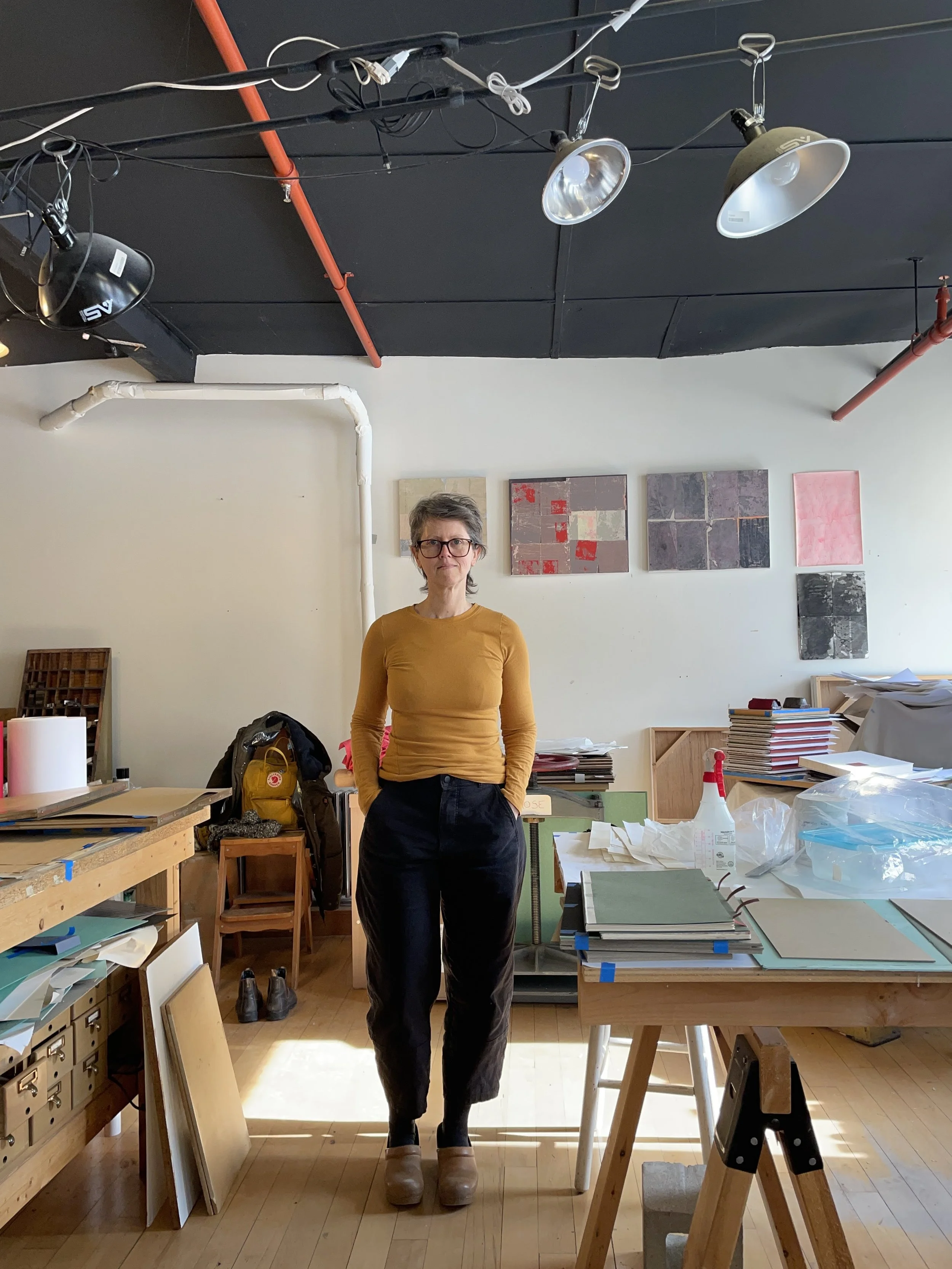
Amy Borezo (she/her) is an artist working in the book form. She is from the Southeast and has lived in rural Western Massachusetts for two decades. Her artists' books explore how socio-political, economic, and geological patterns shape space, and how human stories unfold within, against, and alongside those forces. Amy also owns and operates Shelter Bookworks, an edition binding studio. When not making books, she enjoys spending time outdoors and watching women’s basketball.
https://www.shelterbookworks.com/artists-books | Instagram:@AMYBOREZO